


Are you actively doing anything to support your sexual health, or are you simply assuming it will take care of itself? It's a question you may never have been asked, and one you may never have thought to ask yourself. Sexual fitness, meaning the daily habits that support strong erections, healthy desire, and genuine confidence, doesn't get the same attention as going to the gym or eating well, even though it depends on many of the same things.
Here's what tends to happen instead. Everything feels fine, and then gradually, quietly, it doesn't. Erections become a little less reliable. Desire feels a little lower than it used to. Confidence in intimate situations starts to carry a weight it didn't before. And because these shifts happen slowly, you might assume it's just age, just stress, just how things go. But a lot of what changes in your sexual health over time isn't inevitable. It's responsive. It responds to how you sleep, how you move, how you manage stress, and whether you're giving your body what it needs to stay healthy and engaged.
This article is about building a sexual fitness plan before you need one, and understanding why the men who feel most vital, confident, and sexually alive aren't necessarily the ones with the best genetics. They're the ones paying attention.
What Sexual Fitness Actually Is
Think of sexual fitness the same way you think about physical fitness. It's not a destination or a performance standard. It's an ongoing relationship with your body that you either invest in or let drift.
Strong erections, healthy libido, and the kind of confidence that doesn't depend on everything going perfectly in the moment, these things are built on foundations. Blood flow. Hormonal balance. A nervous system that knows how to relax. A pelvic floor that actually works. Recovery habits that let your body repair and respond. When those foundations are solid, your sexual health tends to take care of itself in the background. When they start to erode, erection quality is usually one of the first places you feel it, often long before anything else in your body raises a flag.
Your erections are actually one of the most honest health signals your body sends. They require your cardiovascular system, your hormones, your nervous system, and your erectile tissue all working together at the same time. When something's off in any of those areas, you tend to notice it here first. That's not a bad thing. It's useful information, and a sexual fitness plan is simply a way of acting on it consistently rather than waiting until you have no choice.
The Four Pillars Worth Building
Blood Flow and Cardiovascular Health
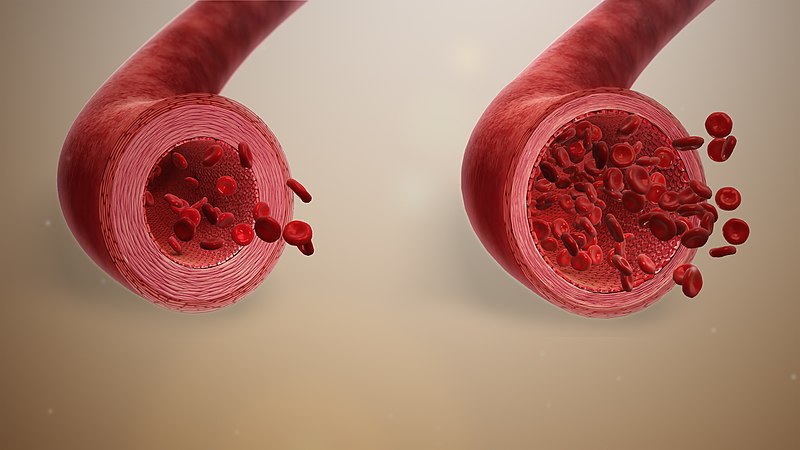
Every erection starts with blood flow. When you're turned on, your body releases nitric oxide, which tells your blood vessels to relax and open up so blood can flow into erectile tissue and create firmness. When circulation is strong, that process feels effortless. When it's compromised, there's a frustrating gap between wanting sex and your body actually responding to it.
Research confirms that regular exercise and dietary changes can significantly improve erectile function, in some cases reversing it entirely, through their effect on vascular health and nitric oxide availability. None of the habits that support this are complicated:
- Walking every day
- Cardio exercise most days of the week
- Strength training two to three times per week
- Whole foods over processed ones
- Keeping blood pressure in a healthy range
- Cutting back on smoking and heavy drinking
The encouraging thing is that your cardiovascular system and your sexual health are responding to the same inputs. Every habit you build for your heart is quietly building something for your erections at the same time.
Testosterone and Hormonal Health
Testosterone gets talked about a lot, often in ways that make it sound like something you either have or you don't. In reality, your hormonal environment is constantly being shaped by the choices you make every day. Sleep, stress, movement, body composition, nutrition, all of it feeds into whether your testosterone is working for you or slowly working against you.
Healthy testosterone supports your energy, your mood, your muscle mass, your recovery, and your sex drive. It also plays a direct role in nitric oxide production, which puts it right at the beginning of the erection process. Studies show that sleep duration and quality are directly tied to testosterone levels, muscle mass, and strength. When you consistently underslept, your hormonal recovery takes a hit every single night. The habits that help most aren't complicated either:
- Lifting weights regularly
- Sleeping seven to nine hours
- Eating enough healthy fats
- Managing your stress load
- Keeping your body composition in a healthy range
You're not trying to optimize yourself into a superhuman hormonal state. You're just trying to create conditions where your body can do what it's already designed to do.
Pelvic Floor Strength
This is the one most men have genuinely never heard of in this context, and it's worth knowing about. Your pelvic floor muscles play a direct role in maintaining blood pressure within the penis during an erection. When they're strong, they help you hold firmness and stamina. When they're weak, blood can escape erectile tissue more easily than it should, and erections can feel softer or harder to maintain than you'd expect.
Research into pelvic floor training consistently shows meaningful improvements in erectile function and sexual confidence with regular practice. Simple exercises done a few times a week are enough to make a real difference over time. What a lot of men notice, beyond the physical changes, is that training this area helps them feel more connected to their body's responses rather than disconnected from them or anxious about them. That shift in relationship with your own body is genuinely worth something.
Nervous System Regulation
This one doesn't get nearly enough airtime. Your nervous system is the gatekeeper of your sexual response. Erections don't happen when your body is in survival mode. They happen when your nervous system feels safe and settled enough to shift into a receptive state. Chronic stress keeps you locked in fight-or-flight, redirecting blood flow away from sexual function and toward staying alert and defended.
This is why you can want sex completely, feel genuinely attracted, and still find your body slow to respond. The desire is real. Your nervous system just hasn't found the off-ramp from stress yet. Research has linked elevated cortisol directly to impaired erectile function, not just as a mood issue but as a direct hormonal interference with arousal pathways. Things that actually help:
- Breathwork and meditation
- Getting outside regularly
- Exercise (it works both physically and neurologically)
- Consistent quality sleep
- Reducing the chronic low-grade stress that most men barely notice anymore
You're not trying to become someone who never feels stress. You're building enough resilience that your body can find its way back to ease more quickly and more reliably.
Consistent Training Matters Here Too
Athletes don't train occasionally and expect peak performance. They train consistently because that's how the body adapts and maintains capacity. The same logic applies to your sexual health. Consistent habits keep circulation healthy, erectile tissue responsive, and your body aware and engaged in ways that irregular effort simply can't sustain.
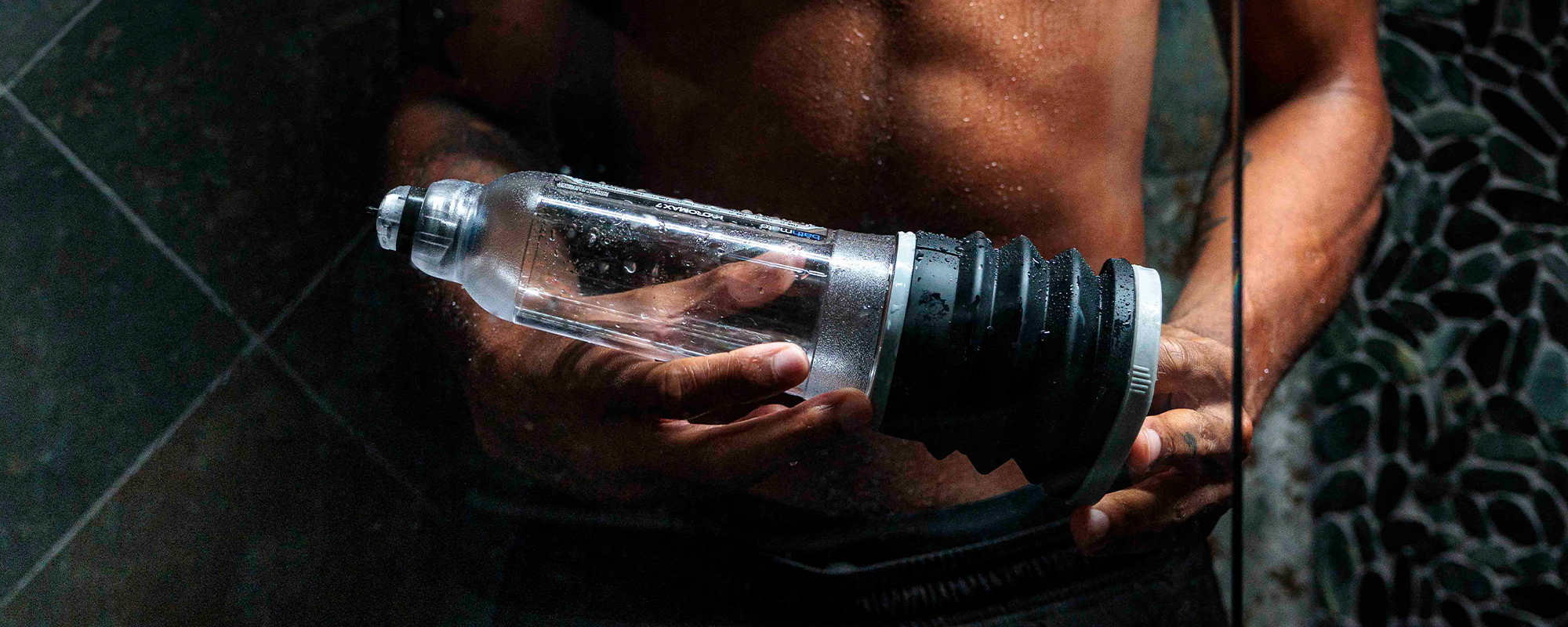
This is part of why many men bring Bathmate into their sexual fitness routine. It works through gentle water-based pressure to support blood flow into erectile tissue, the kind of regular circulation-focused conditioning that keeps things responsive over time. The Bathmate blog has solid reading on both blood flow and erection quality and building a long-term erectile fitness routine if you want to go deeper. Like any training tool, it works best as part of a complete approach rather than in isolation.
A Simple Routine to Start With
None of this needs to be complicated. The men who do best with sexual fitness aren't the ones with the most elaborate plans. They're the ones who keep it simple and stay consistent.
Daily:
- Walk for twenty to thirty minutes
- Drink enough water and protect your sleep
- Some form of breathwork or wind-down practice
Weekly:
- Strength training two to three times
- Cardio exercise
- Pelvic floor work
- At least one proper rest and recovery day
Ongoing:
- Whole foods, healthy fats, less processed stuff
- Keep an eye on your stress and actually do something about it
- Use whatever supportive tools work for you, consistently
A Long-Term Investment in Your Sexual Health
Taking care of your sexual health isn't about fear of what might go wrong. It's about valuing how good things can feel when your body is genuinely supported. Strong erections, real desire, and the kind of confidence that doesn't wobble under pressure, these things are built. They come from circulation that's been trained, hormones that are balanced, a nervous system that knows how to rest, and a body that's been shown consistent care.
The men who carry that kind of vitality into their forties, fifties, and beyond aren't outliers. They're just the ones who started paying attention a little earlier than most, and kept going. That's all this is. Paying attention, building the habits, and trusting that your body will meet you there.




Shop pumps
Hydro7
Hydromax
Bathmate HydroXtreme | Hidrobomba
Hakima Tántrico
Learn MoreHakima Tantrika es educadora sexual, coach de intimidad y redactora, y colabora regularmente con el blog de Bathmate. Formada en tantra clásico, ayuda a las personas a cultivar una mayor autoconciencia, una conexión auténtica y una confianza plena.SubpilaLidera una comunidad comprometida donde comparte perspectivas sobre sexualidad, relaciones y crecimiento personal, combinando la educación con la narración honesta. Con su enfoque claro y reflexivo y su voz distintiva, Hakima aporta profundidad e integridad a las conversaciones modernas sobre la intimidad, el placer y la autocomprensión.
Share:
Why You're Not as Hard as You Think You Could Be
Erectile Dysfunction vs. Performance Anxiety: How to Know Which One You're Dealing With