


Should you track your sexual performance, and does it actually help you improve your erections and confidence, or does it just add more pressure?
It’s a question you may have been asking yourself in a world filled with fitness trackers, sleep apps, and health data becoming part of your daily life.
The answer is not a simple yes or no. Tracking your sexual performance can either build confidence and awareness or reinforce anxiety. It all depends on how you do it and what you focus on. This article will help you understand when tracking works, when it backfires, and how to use it in a way that strengthens both confidence and erection quality.
Why Men Start Tracking
When erections become less predictable, your first instinct might be to start tracking everything—your testosterone levels, how often you have sex, how long you last, or even your refractory period.
What once felt automatic now feels uncertain, and that can quietly affect how you see yourself. Tracking becomes a way to make sense of that shift. It creates structure where there was unpredictability and gives you something to hold onto when confidence feels unstable. It’s a way to regain control over your sexuality, and sometimes that’s exactly what the body needs: attention and awareness. But there is a fine line between awareness and pressure.
The Benefits of Tracking
When used correctly, tracking can be a powerful tool for understanding patterns.
1. It Builds Awareness of Your Body
Your erections are not random. They reflect your cardiovascular health, hormone balance, nervous system state, sleep quality, and emotional well-being.
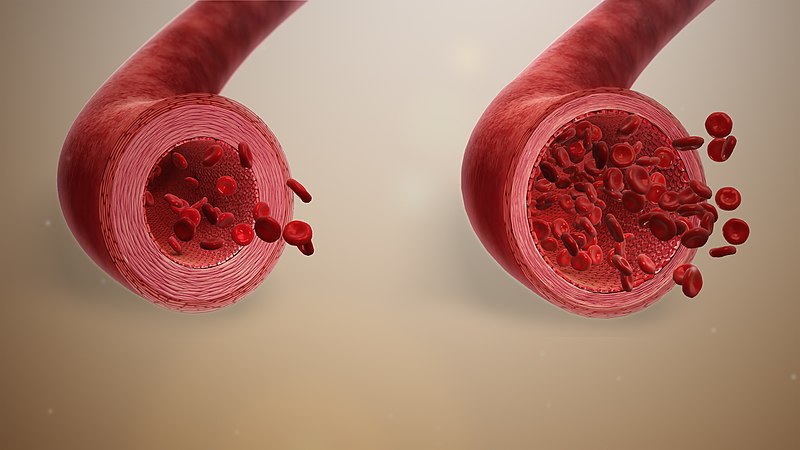
Tracking helps you notice patterns like stronger erections after good sleep, reduced performance during high stress, or better responsiveness when you exercise. Having a global view of your physiology helps you understand that your erection is a vascular event driven by blood flow, nitric oxide, and nervous system relaxation.
This awareness changes your relationship with your body. Instead of reacting to a single moment, you start recognizing patterns across days and weeks. You begin to see that erections are not isolated events but responses shaped by circulation, hormonal rhythm, and how safe or stressed your nervous system feels. That shift alone can reduce anxiety and replace it with understanding.
When you track patterns, you begin to see your body as a system.
2. It Reinforces Consistency
Progress in sexual health works similarly to fitness goals—it comes from small, repeated actions that create long-term change.
Tracking can help reinforce habits like regular exercise, pelvic floor training, sleep consistency, stress management, and hydropump routines. And consistency is what drives results.
Behaviors become automatic through repetition in a stable context. When you track your efforts, you create a visible record of showing up, which builds confidence over time.
3. It Helps You Catch Early Signals
Changes in erection quality are often early indicators of broader health shifts.
For example, reduced firmness can signal circulation issues, lower frequency can reflect hormonal changes, and inconsistent performance may point to stress overload.
Erectile changes often appear before more serious cardiovascular symptoms because penile arteries are smaller and more sensitive to blood flow disruptions. Tracking helps you notice these signals early before they become bigger problems.
When Tracking Starts to Backfire
While tracking can build awareness, it can also create pressure if approached the wrong way.
When It Becomes Performance-Based
If you’re measuring whether you were “hard enough,” how long you lasted, or whether you met a certain standard, you shift from awareness to evaluation.
That shift activates the very system that disrupts erections: stress.
When performance becomes the focus, your attention moves out of your body and into your head. You start monitoring instead of feeling. Instead of responding to touch, breath, and connection, you begin asking yourself, “Is this working?” or “Am I doing this right?” That internal pressure creates tension in the exact moment your body needs relaxation to respond.
The nervous system doesn’t distinguish between sexual pressure and any other form of stress. It reacts the same way—by tightening, restricting blood flow, and preparing for action rather than pleasure. This is why even physically healthy men can experience inconsistent erections when performance anxiety is present. The body isn’t failing; it’s protecting.
What makes this cycle difficult is how quickly it reinforces itself. One moment of doubt leads to a weaker response, which then creates more monitoring, more pressure, and less presence. Breaking that cycle comes from shifting your focus away from performance and back toward sensation, where your body can actually respond.
When the body senses pressure, it moves into a fight-or-flight state, and blood flow is redirected away from the genitals. Cortisol rises, and erection quality drops. In other words, performance tracking can accidentally cause the problem you’re trying to solve.
When You Ignore the Bigger Picture
Sexual performance is influenced by sleep, fitness, hormones, stress, and emotional connection.
Tracking only sexual outcomes without tracking lifestyle inputs creates a distorted view. For example, if erections are weaker during a stressful week, it likely means your system is overloaded, not that your sexual function is failing.
Movement, for instance, improves circulation, testosterone, and nervous system regulation, all of which directly support erection quality. Without context, tracking becomes misleading.
When It Disconnects You from Pleasure
Sex is not meant to be analyzed in real time.
If you’re mentally logging performance during intimacy, you’re no longer present. And presence is one of the strongest predictors of satisfying sex for both you and your partner.
Women, in particular, consistently report that presence, emotional connection, and responsiveness matter more than technical performance or perfect erections. Tracking should never replace feeling.
What You Should Track Instead
If you choose to track, shift your focus away from performance metrics and toward supportive inputs and patterns.
1. Track Your Foundations
Instead of asking “How did I perform?” track your sleep quality (hours and restfulness), exercise frequency, energy levels, and mood. These are the real drivers of erection quality.
2. Track Erection Patterns
Rather than rating performance, observe your morning erections—their frequency and firmness—as well as ease of arousal and consistency over time.
Morning erections, in particular, are a strong indicator of hormonal and vascular health. They reflect the body’s natural rhythm of oxygenating penile tissue and maintaining responsiveness.
3. Track Habits That Build Blood Flow
Erection strength depends heavily on circulation. Focus on habits like cardio and movement, pelvic floor exercises, breathwork, relaxation, and hydration.
Improving blood flow improves erection quality consistently and naturally.
4. Track Consistency
The goal is to build rhythm.
Missed a day? That’s okay. What matters is returning to your habits without judgment. Consistency builds trust in your body and in yourself.
This is also where tracking your Bathmate hydropump sessions can help. Rather than focusing on immediate results, you’re reinforcing a habit that supports blood flow and tissue responsiveness over time. Like any form of training, it’s the repetition that creates change, not a single session.
Control or Awareness?
It all depends on what you’re seeking.
If you believe tracking is a way to control your body, it can become rigid and stressful. But if you’re trying to understand and support your body, tracking becomes a tool for awareness and growth.
Over time, this approach builds something deeper than performance—it builds trust. You stop reacting to every fluctuation and start understanding what your body needs to function at its best. Erections become feedback, not judgment. They guide you toward better sleep, better movement, and better balance rather than pulling you into self-doubt.
You don’t need to control your erection—you need to work with it. Your erection responds to safety, relaxation, blood flow, and hormonal balance. When those conditions are present, erections happen naturally.





Hakima Tantrika
Learn MoreHakima Tantrika is a sex educator, intimacy coach, and copywriter who contributes regularly to Bathmate’s blog. Trained in classical Tantra, she helps individuals cultivate deeper self-awareness, authentic connection, and embodied confidence. On Substack, she leads an engaged community where she shares insights on sexuality, relationships, and personal growth, blending education with honest storytelling. Through her clear, thoughtful approach and distinctive voice, Hakima brings depth and integrity to modern conversations about intimacy, pleasure, and self-understanding.
Share:
The Best Foods for Blood Flow (And Why They Work Like Natural Viagra)
The 40s Reset: How to Rebuild Sexual Performance When Everything Starts to Shift