

How much is alcohol actually affecting your erections, and at what point does it shift from something manageable into something worth paying attention to?
You may have noticed the pattern yourself. After a few drinks, you feel relaxed, more social, and more open to sex. Yet sometimes, when the moment arrives, your body doesn't respond the way you expected. The desire is there, but the erection is weaker, slower to arrive, or harder to maintain.
Alcohol and erections have a more complicated relationship than many people realize because the same substance that lowers inhibitions can also interfere with blood flow, nervous system signaling, hormone production, and sleep quality. A drink or two occasionally is unlikely to create lasting issues. But when drinking becomes frequent or heavy, the effects can accumulate in ways that extend far beyond a single disappointing night.
Understanding where your personal threshold lies gives you something far more useful than guesswork. It helps you recognize what your body is communicating and what changes can support stronger, more reliable erectile function. In this article, you'll learn what alcohol does to your erections in the short term, how regular drinking affects circulation, testosterone, sleep, and recovery, where the tipping point tends to occur, and what practical steps can help you reverse the trend.
What Has to Happen for an Erection to Work
Before an erection is a sexual event, it's a vascular one.
When you're sexually aroused, your brain triggers the release of nitric oxide, a signaling molecule that tells the smooth muscle inside your blood vessels to relax. As those vessels widen, oxygen-rich blood flows into the erectile chambers of the penis. Pressure builds as the tissue expands, and firmness occurs when that blood is successfully trapped and maintained within the erectile tissue.
Healthy erections depend on several systems working together. Your brain must send clear signals. Your nervous system must feel safe enough to shift into a state of arousal. Your blood vessels must be able to expand efficiently. Your hormones must support desire and responsiveness. When these systems are functioning well, erections tend to feel effortless and reliable.
Alcohol interferes with each part of that process. As a depressant, it slows communication between the brain and body. It reduces the efficiency of the vascular response that allows blood vessels to widen and fill erectile tissue with blood. It also makes it harder for the penis to trap and maintain blood once it arrives. The result is that you may still feel desire, attraction, and excitement while the physical mechanisms responsible for creating and sustaining an erection are operating at a reduced capacity.
Short-Term Effects: What One Heavy Night Actually Does
After significant alcohol consumption, your body is attempting a complex neurological and vascular process while under the influence of a substance that actively suppresses both systems.
The result is something you probably have experienced. You still want sex. You may feel just as attracted to your partner as ever. But your body doesn't respond the way you expect. Erections become less reliable, slower to develop, softer than usual, or may not happen at all.
Common short-term effects include:
- Difficulty achieving an erection
- Reduced firmness or fullness
- Trouble maintaining an erection
- Delayed orgasm
- Reduced sensitivity
- Lower sexual stamina and coordination
For most healthy men, these effects are temporary. Once alcohol clears your system, erectile function generally returns to normal.
However, one difficult experience can sometimes create a secondary challenge. A single alcohol-related erection issue can trigger self-doubt or performance anxiety, making future sexual experiences feel more pressured than they need to be. In those situations, the psychological effects can linger longer than the alcohol itself.
Where the Real Damage Happens: Long-Term Heavy Drinking
The bigger concern isn't what happens after one night out. It's what happens when heavy drinking becomes a regular pattern.
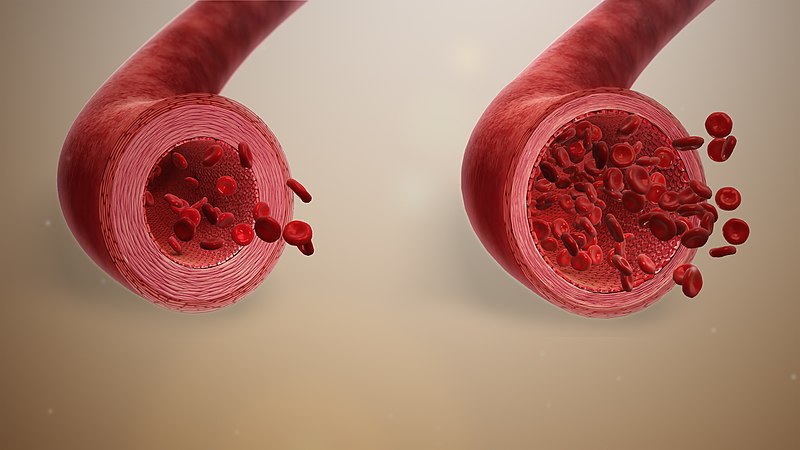
Strong erections rely heavily on healthy circulation, and chronic alcohol use gradually places that system under strain. Over time, alcohol can contribute to elevated blood pressure, reduced vascular flexibility, and damage to the endothelium, the delicate inner lining of your blood vessels. When blood vessels become less responsive, it becomes harder for them to expand efficiently and deliver the volume of blood required for a full erection.
This matters because the arteries that supply the penis are particularly sensitive to changes in vascular health. Problems with blood flow often become noticeable there long before symptoms appear elsewhere in the body. You may experience subtle changes in erection quality years before you recognize broader cardiovascular issues.
Alcohol also affects the hormonal environment that erections depend on.
Testosterone plays a central role in libido, nitric oxide production, energy levels, and erectile responsiveness. Heavy drinking can suppress testosterone production while increasing cortisol, the body's primary stress hormone. As cortisol rises and testosterone falls, desire often becomes less consistent and erections can become more difficult to achieve or maintain.
Sleep amplifies these effects.
Although alcohol may help you fall asleep faster, it significantly disrupts the quality of your sleep throughout the night.Deep sleep is where much of your hormonal recovery occurs. It's where testosterone production is supported and where your nervous system resets. When alcohol repeatedly interferes with that process, the body loses access to one of its most important recovery mechanisms.
The nervous system also pays a price.
Erections depend on your ability to move out of a stress response and into a state of relaxed arousal. Chronic alcohol use makes that transition more difficult. Over time, it can increase baseline anxiety, impair stress recovery, and weaken the connection between mental desire and physical response. You may still want sex, but your body becomes less capable of accessing the state required for a strong, responsive erection.
When circulation, hormones, sleep, and nervous system regulation are all affected simultaneously, the effects tend to compound. What starts as an occasional issue after drinking can gradually become a more consistent pattern, even during periods of sobriety.
The Stress and Alcohol Loop
One of the most overlooked aspects of alcohol-related erectile issues is the way stress and drinking reinforce one another.
You might reach for alcohol because it helps you unwind after a demanding day. In the short term, it can feel effective. Mental tension softens, worries fade into the background, and your body feels more relaxed.
The problem is that alcohol often creates the very conditions that make stress harder to manage over time.
The cycle usually looks something like this:
- Stress increases.
- Alcohol becomes the coping mechanism.
- Sleep quality declines.
- Testosterone drops.
- Erections become less reliable.
- Confidence takes a hit.
- Stress increases further.
Each turn of that cycle makes the next one harder to interrupt. What began as a tool for relaxation slowly becomes a contributor to the very symptoms you're trying to escape.
If this pattern feels familiar, it isn't a sign that something is wrong with you. It's a predictable physiological response to a combination of stress, poor recovery, hormonal disruption, and reduced blood flow.
Why Cutting Back Works and What Helps It Work Faster
One encouraging reality is that alcohol-related erection problems are often highly reversible.
When alcohol intake decreases, circulation improves. Sleep becomes deeper and more restorative. Hormonal balance begins to recover. The nervous system becomes more resilient and responsive. Many men notice meaningful improvements in erection quality within a matter of weeks.
What accelerates recovery is giving your body active support rather than simply removing the stressor.
Regular cardiovascular exercise improves blood vessel function and increases the availability of nitric oxide, helping blood flow more efficiently throughout the body. Strength training supports testosterone production, metabolic health, and overall vitality. Better nutrition, stress management, and consistent sleep habits create the conditions your body needs to rebuild responsiveness from the inside out.
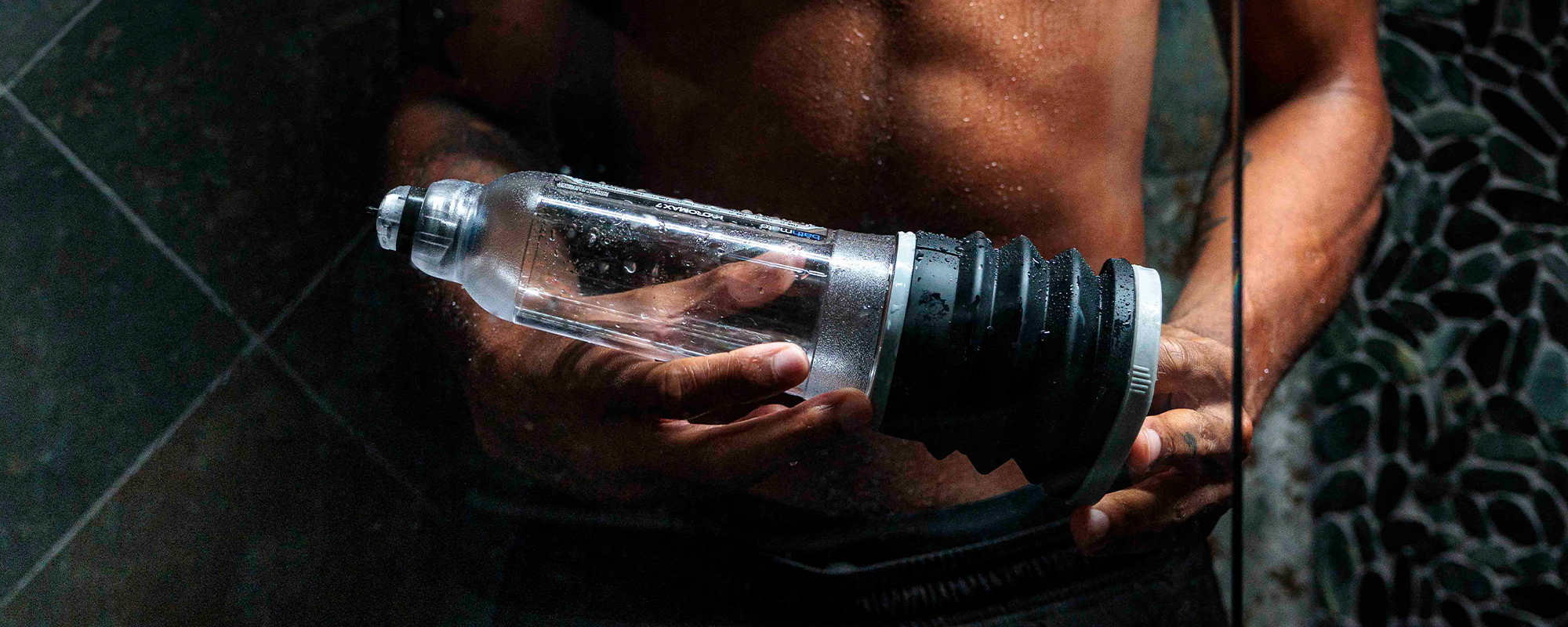
As blood flow improves, erectile tissue often becomes more responsive as well. Some men choose to support that process through targeted blood-flow training. Bathmate hydropumps work through gentle water-based pressure to encourage circulation into erectile tissue, supporting tissue that benefits from regular oxygen-rich blood flow. Used consistently alongside exercise, quality sleep, and healthy recovery habits, it can become part of a broader strategy for rebuilding erectile confidence and responsiveness.
The key is remembering that no single intervention exists in isolation. Erections are a whole-body function. The more you support circulation, recovery, hormones, and nervous system health together, the more likely you are to notice lasting improvements.
The Real Opportunity
Your erections reflect the state of your body in real time. They respond to blood flow, sleep quality, hormone levels, stress, recovery, and the habits you repeat every day. When alcohol begins disrupting those systems, erection quality is often one of the first places you'll notice it.
That isn't something to fear or ignore. It's useful feedback about how your body is functioning beneath the surface.
Reducing alcohol intake doesn't just lead to stronger erections. It leads to deeper sleep, steadier energy, better workouts, clearer thinking, improved recovery, and a greater sense of trust in your body's ability to respond when it matters.
Strong erections aren't built through force, pressure, or perfect performance. They're the natural result of a body that is well-rested, well-circulated, hormonally supported, and functioning the way it was designed to. When you consistently support those foundations, your body has an impressive capacity to recover. You don't just notice it in the bedroom. You feel it in your energy, your confidence, your training, and in the quiet reassurance that your body is working with you rather than against you.

Hakima Tantrika
Learn MoreHakima Tantrika is a sex educator, intimacy coach, and copywriter who contributes regularly to Bathmate’s blog. Trained in classical Tantra, she helps individuals cultivate deeper self-awareness, authentic connection, and embodied confidence. On Substack, she leads an engaged community where she shares insights on sexuality, relationships, and personal growth, blending education with honest storytelling. Through her clear, thoughtful approach and distinctive voice, Hakima brings depth and integrity to modern conversations about intimacy, pleasure, and self-understanding.
Share:
If You Are Nervous About Using a Penis Pump, Start Here
Penis Pumps: 5 Reasons to Start Using One