


Could high blood pressure be the hidden reason your erections aren't as strong as they used to be? If you're living with high blood pressure, you've probably spent plenty of time thinking about your heart and far less time considering what hypertension may be doing to your erections. Yet the two are closely connected, and understanding that connection can change how you approach both your cardiovascular and sexual health.
Your erection is one of the most sensitive indicators of vascular health your body has. Long before serious cardiovascular symptoms appear, changes in erection quality can signal that blood flow is under strain. The penile arteries are among the smallest in the body. That is why they are among the first to show the effects of vascular damage — often years before the heart does. If you've noticed your erections becoming less reliable, slower to develop, or harder to maintain, your blood pressure may be playing a larger role than you realise.
The good news is that erection problems linked to hypertension are not something you simply have to accept. Regular physical activity improves circulation, endothelial function, and nitric oxide production — all of which directly support erection quality.
Why Blood Pressure Matters for Erections
An erection is fundamentally a blood flow event. Sexual arousal triggers the release of nitric oxide, which relaxes and widens blood vessels in the penis, allowing blood to fill the erectile chambers and create firmness.
For that process to work, your blood vessels need to be flexible, healthy, and responsive. High blood pressure works directly against all three.
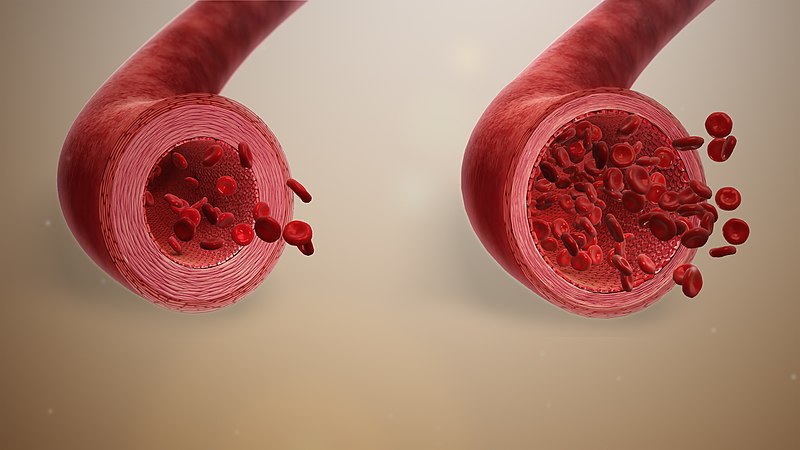
You may still have desire. You may still feel attracted to your partner. But if blood vessels can't respond the way they once did (if they've stiffened, narrowed, or lost their ability to expand fully) erections often become less predictable. Over time, chronically elevated pressure damages the endothelium (the inner lining of blood vessels) causing arteries to stiffen and narrow. Less blood reaches the penis. Erections become softer, slower to develop, or harder to sustain.
What That Experience Actually Feels Like
The frustration isn't simply about sex. It's about losing trust in a part of your body that once worked automatically.
An erection used to arrive without thought. Now there's uncertainty. That uncertainty can follow you into relationships, affect your confidence in ways that have nothing to do with the bedroom, and create a low-grade stress that makes the underlying problem even harder to ignore.
When erections become less reliable, you question yourself long before you question your blood pressure. You wonder whether it's attraction, age, or something more personal. You may say nothing to your partner. You may avoid situations where the issue could surface.
The issue is vascular, not personal. Naming that clearly is often the first thing that allows the shame to lift and the problem to be addressed.
What High Blood Pressure Does to Your Body
Nitric oxide and the endothelium
The endothelium — the thin cellular lining inside every blood vessel — does more than provide structure. It actively produces nitric oxide to regulate blood flow. High blood pressure damages that lining progressively, reducing its ability to respond to arousal signals. Common ED medications work by amplifying nitric oxide signalling rather than creating it. When hypertension has already degraded the source, those medications become less effective.
Testosterone
Hypertension is associated with lower testosterone levels in some men. Research has found hypertensive men have nearly twice the risk of low testosterone compared to men with normal blood pressure. Testosterone supports nitric oxide production and sexual responsiveness, so when both move in the wrong direction together, the effect on erections compounds.
Watch for these signs alongside erection changes:
- Persistent fatigue or low energy
- Reduced sex drive
- Loss of muscle mass
- Flattened mood or motivation
These are worth raising with a healthcare provider. Hormone testing is straightforward and can open treatment options that make a real difference.
The stress and confidence loop
The emotional side of erectile dysfunction is as real as the physiological side, and high blood pressure creates conditions that feed both.
When erections become inconsistent, many men start anticipating failure. Anxiety activates the fight-or-flight response. Cortisol rises. Blood vessels constrict further. Erections become harder to achieve. The cycle is self-reinforcing and difficult to break from the inside—especially when no one has explained what's actually causing it.
Your Erections as a Cardiovascular Warning Sign
This is the part most doctors don't emphasize enough.
Erectile dysfunction is not just a symptom of cardiovascular disease: it can precede it by years. A Johns Hopkins study found that ED is associated with more than twice the risk of heart attack, stroke, and cardiovascular death, independent of other traditional risk factors. The lead researcher noted that men "avoid early signs of cardiovascular disease, but present for the first time with a chief complaint of ED" making it a genuine window for early intervention.
The reason is anatomical. Penile arteries are significantly smaller than coronary arteries, so mild vascular damage restricts blood flow to the penis before it produces noticeable symptoms anywhere else. ED can be an early signal of atherosclerosis, the same process behind most heart attacks.
If your erections have changed and you haven't had a recent cardiovascular evaluation, that conversation is worth having. Not because something is definitely wrong, but because catching problems early dramatically expands your options.
The Medications Nobody Warned You About
Not all blood pressure medications affect sexual function the same way. This is one of the most practically useful things to know and most men are never told.
More likely to affect erections:
- Older beta-blockers (e.g. propranolol, atenolol): the class most consistently associated with ED in clinical research
- Some diuretics (thiazides): linked to sexual side effects, though more recent evidence is mixed
- Centrally acting drugs like clonidine and methyldopa: negative effects on sexual function are well documented
Neutral to positive:
- ACE inhibitors: generally neutral, with low rates of ED-related side effects
- Angiotensin receptor blockers (ARBs, e.g. losartan, valsartan): evidence suggests these may actually improve erectile function in some men with hypertension, likely through improved blood flow and nitric oxide support
- Calcium channel blockers: generally considered neutral
This does not mean you should stop taking prescribed medication. But if you've noticed erection changes after starting or switching a blood pressure drug, raise it with your provider. There are often alternatives available, and this is a legitimate part of your care, not an embarrassing side issue.
What You Can Do
Control your blood pressure
Better blood pressure control is directly associated with better erectile function. Research found that among newly diagnosed hypertensive men, tighter blood pressure control was associated with both lower incidence and longer time to development of ED. Managing the underlying condition is the most important lever you have.
Exercise consistently
Regular physical activity improves circulation, endothelial function, and nitric oxide production, all of which directly support erection quality. Thirty minutes of moderate activity most days of the week is enough to produce measurable benefits for both cardiovascular and sexual health. Walking, cycling, swimming, and resistance training all count. Consistency matters more than intensity.
Prioritise sleep
Sleep is where hormonal repair and vascular recovery happen. Poor sleep elevates cortisol, worsens blood pressure, reduces testosterone, and impairs erectile function. Seven to nine hours is the consistent recommendation across cardiovascular and sexual health research.
Eat to support your endothelium
The same foods that support blood pressure management support erections:
- Leafy greens and beetroot: high in dietary nitrates that support nitric oxide production
- Berries: rich in flavonoids associated with improved vascular function
- Fatty fish, nuts, and olive oil: anti-inflammatory and cardiovascular-protective
- Reduced sodium, processed foods, and excess alcohol
Reduce stress actively
Chronic stress keeps cortisol elevated, suppresses testosterone, raises blood pressure, and reduces nitric oxide availability. Breathwork, meditation, exercise, time outdoors, and meaningful connection are not soft lifestyle suggestions — they are direct interventions in the biological pathways that undermine both blood pressure and erections.
When Lifestyle Changes Need Extra Support
Lifestyle changes and blood pressure management remain the foundation. But you might also want a way to actively support erection quality in the present, not just wait for long-term interventions to take effect.
This is where Bathmate Hydropumps can become a valuable part of your routine.
One of the biggest challenges high blood pressure creates is reduced blood flow to the penis. Even when desire is present, the vascular system may not respond as efficiently as it once did, leading to erections that feel less firm, less reliable, or more difficult to maintain.
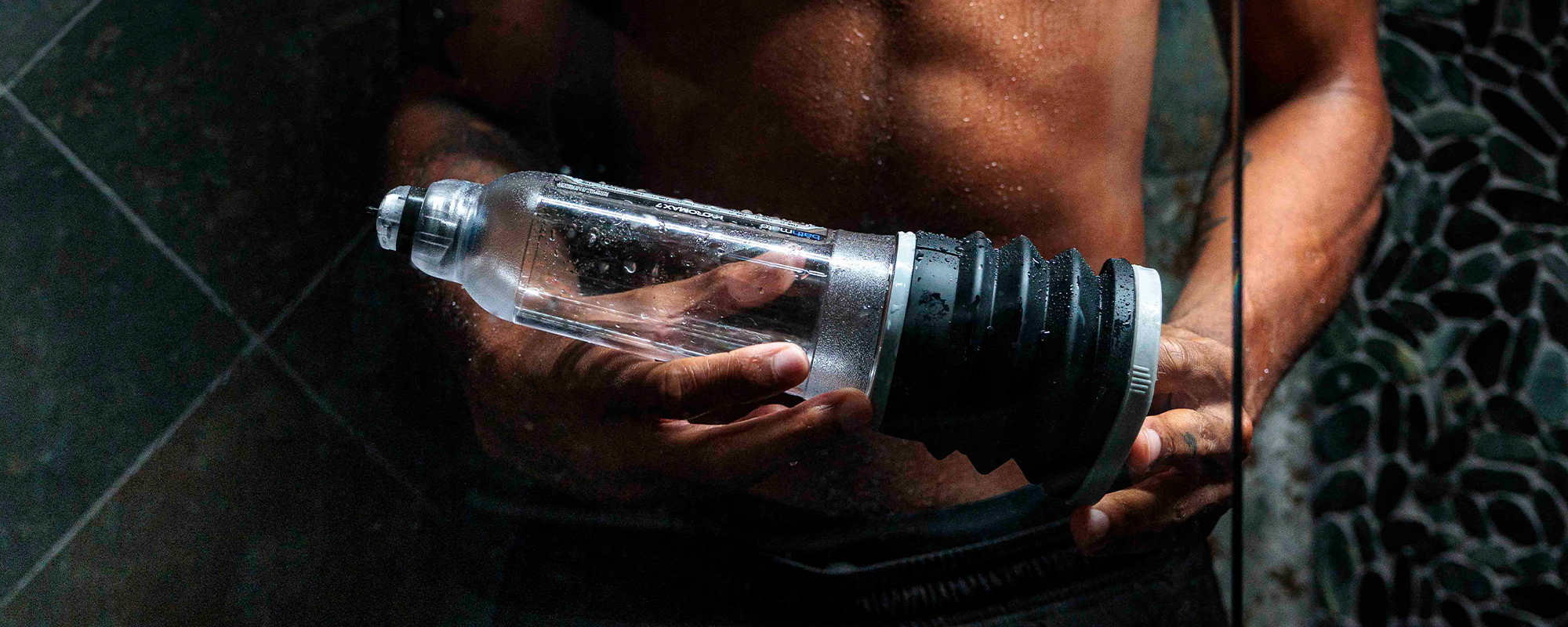
Bathmate Hydropump is designed to help support healthy blood flow by using water and gentle pressure to draw blood into the penis. You can incorporate it into your routine as a proactive way to support erection quality, improve confidence, and stay connected to your sexual health.
Regular use can help encourage circulation to the erectile tissues, support tissue conditioning, and maintain the responsiveness that strong erections depend on. Just as you might exercise to support your cardiovascular health, you may view Bathmate as a way to actively support the tissues and blood flow involved in sexual function.
Importantly, Bathmate is not a substitute for managing high blood pressure. Healthy eating, regular exercise, quality sleep, stress management, and following your healthcare provider's recommendations remain the foundation of long-term vascular health. Bathmate works best as part of that broader approach, giving you a practical way to take an active role in supporting your erection health today rather than simply hoping things improve on their own.
When to Speak With a Doctor
If you've noticed weaker erections, reduced morning erections, lower libido, or difficulty maintaining firmness—and you have high blood pressure or are taking antihypertensive medication—those symptoms deserve a direct conversation with your healthcare provider.
A provider can evaluate blood pressure control, medication side effects, testosterone levels, cardiovascular risk, and other contributing factors. For some men, erection changes are the first indication that cardiovascular disease needs attention. Addressing it early expands your options significantly.
Taking Control of Your Erection Health
High blood pressure may change how your body responds but it does not mean you've lost control of your sexual health.
Every step that improves circulation, supports your heart, and strengthens your vascular system is also an investment in stronger erections, greater confidence, and a more connected relationship with your body. Better blood pressure control, consistent movement, quality sleep, the right medication, and tools that directly support penile blood flow don't just reduce your cardiac risk. They rebuild the conditions your body needs to respond the way it's designed to.
Your erections are one of the most honest signals your vascular system sends. When you start treating that signal seriously, the changes you make tend to reach further than you expect.



Hakima Tantrika
Learn MoreHakima Tantrika is a sex educator, intimacy coach, and copywriter who contributes regularly to Bathmate’s blog. Trained in classical Tantra, she helps individuals cultivate deeper self-awareness, authentic connection, and embodied confidence. On Substack, she leads an engaged community where she shares insights on sexuality, relationships, and personal growth, blending education with honest storytelling. Through her clear, thoughtful approach and distinctive voice, Hakima brings depth and integrity to modern conversations about intimacy, pleasure, and self-understanding.
Share:
Early Signs of Erectile Decline Most Men Miss
Ellis Lacy’s Bathmate Review: 6-Week Journey & Real Results