

Have you noticed subtle changes in your erection quality before you even get fully hard? Early signs of erectile decline often show up long before erectile dysfunction becomes obvious, and you could miss them if you're not looking for the right signals.
Erections reflect your cardiovascular health, nervous system balance, hormone levels, and how safe your body feels to relax into arousal. When something starts to shift, your body communicates early, often quietly, and always honestly.
Understanding these early signs gives you an advantage. Instead of reacting to a problem once it’s fully developed, you can respond while your system is still highly adaptable.
Why Erectile Changes Start Earlier Than You Think
We commonly associate erection issues with age or a sudden loss of function. In reality, the process is gradual. Small physiological shifts accumulate over time, such as reduced blood flow, rising stress levels, lower testosterone, or decreased physical activity.
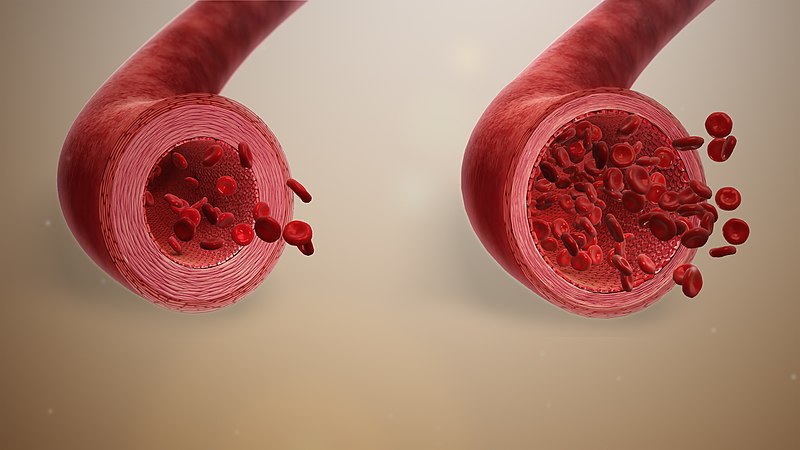
Research in vascular health shows that erectile changes often precede more serious cardiovascular concerns by several years. The arteries in the penis are smaller and more sensitive, meaning they reveal circulation issues earlier than other parts of the body.
At the same time, your nervous system plays a central role. If your body is stuck in a stress response, it becomes harder to access the relaxed state required for arousal.
When you understand that erections are a full-body response, you stop seeing changes as random or personal. You start seeing them as feedback.
1. Morning Erections Become Less Frequent or Less Firm
Morning erections, also known as nocturnal penile tumescence, are one of the clearest indicators of healthy erectile function. They occur during REM sleep and help maintain tissue elasticity and oxygenation.
When these erections become less frequent, shorter, or softer, it’s often one of the first signs that something is shifting beneath the surface.
This could reflect:
- Reduced blood circulation
- Lower testosterone levels
- Poor sleep quality
- Increased stress or nervous system tension
These changes don’t mean something is “wrong.” They mean your body may not be getting the recovery, oxygenation, or hormonal support it needs.
Consistent oxygen-rich blood flow is essential for maintaining erectile tissue health. When that natural rhythm slows down, responsiveness can gradually decline.
2. You Feel Desire, But Your Body Responds More Slowly
One of the most confusing early signs is when your mind is engaged, but your body takes longer to catch up.
You might feel attraction, interest, even excitement, but your erection takes longer to develop or doesn’t reach the same level of fullness.
This disconnect often points to circulation or signaling delays:
- Nitric oxide release may be reduced
- Blood vessels may not dilate as efficiently
- Stress may be interrupting the brain-body connection
Arousal starts in the brain, but it depends on smooth communication with your vascular and nervous systems. When that communication becomes less efficient, response time changes.
3. Erections Are Less Full Than They Used To Be
Fullness—not size—is what defines erection quality.
A strong erection depends on how effectively blood fills and stays in the erectile chambers. When that process weakens, erections may be:
- Slightly softer
- Less expanded
- Harder to maintain
This often comes down to vascular health and smooth muscle function. Even small reductions in blood flow can noticeably affect firmness.
What matters here is consistency. If you occasionally experience softer erections, that’s normal. But if it becomes a pattern, your body is signaling that circulation or relaxation is being compromised.
This is why improving blood flow through movement, breathing, and targeted support becomes essential for long-term tissue health.
4. You Lose Erections More Easily During Sex
Another early sign is reduced staying power in maintaining erection quality throughout an encounter.
You may notice:
- Losing firmness when switching positions
- Needing more stimulation to stay hard
- Erections fading when your focus shifts
This often reflects a combination of:
- Nervous system activation (stress or pressure)
- Pelvic floor weakness
- Inconsistent blood flow
Stress plays a major role here. When your body senses pressure—whether physical or psychological—it can activate the “fight or flight” response, redirecting blood away from the genitals.
5. Physical Energy and Recovery Start to Drop
Erection quality is closely tied to overall vitality.
If you’ve noticed:
- Lower energy during the day
- Slower recovery after workouts
- Reduced motivation or drive
These shifts often correlate with hormonal and circulatory changes.
Testosterone plays a key role here, supporting both libido and the nitric oxide pathways that enable erections. When levels dip (even moderately), erection quality can follow.
At the same time, reduced movement or fitness can limit cardiovascular efficiency, making it harder for your body to deliver oxygen-rich blood where it’s needed.
6. Your Body Feels Tighter, Colder, or Less Responsive
Subtle physical sensations can reveal a lot about circulation.
You might notice:
- Cooler hands and feet
- Tension in your hips or lower body
- Reduced sensitivity during arousal
These are often signs of restricted blood flow or chronic tension patterns.
When blood vessels constrict—due to stress, inactivity, or poor recovery—your body prioritizes core survival functions over sexual responsiveness.
Restoring warmth, movement, and relaxation helps reverse this pattern. As circulation improves, sensitivity and responsiveness tend to return alongside it.
7. You Start Doubting Your Body
One of the most overlooked early signs isn’t physical—it’s psychological.
The moment you begin to question whether your body will respond the way it used to, a subtle shift occurs:
- You become more self-aware during intimacy
- You monitor your performance instead of feeling
- You anticipate problems before they happen
That internal pressure creates tension, and tension directly interferes with arousal.
This is how physical and psychological patterns reinforce each other. A small change in erection quality leads to doubt, which increases stress, which further impacts performance.
Breaking this cycle starts with understanding.
Rebuilding Responsiveness Before It Becomes a Problem
The advantage of recognizing early signs is that your body is still highly responsive to change.
Here’s what actually works:
1. Restore Circulation Through Movement
Regular cardiovascular activity improves endothelial function and nitric oxide production, both essential for erections.
Even simple habits—like walking daily—can significantly improve blood flow and reduce early symptoms.
2. Support Your Nervous System
Arousal requires relaxation.
Breathing exercises, better sleep, and stress reduction help shift your body out of survival mode and back into a state where erections can happen naturally.
3. Strengthen the Pelvic Floor
Your pelvic floor muscles help trap blood in the penis, supporting firmness and control.
Training these muscles consistently improves erection quality, stamina, and confidence over time.
4. Rebuild Blood Flow Directly
This is where targeted tools can support your progress.
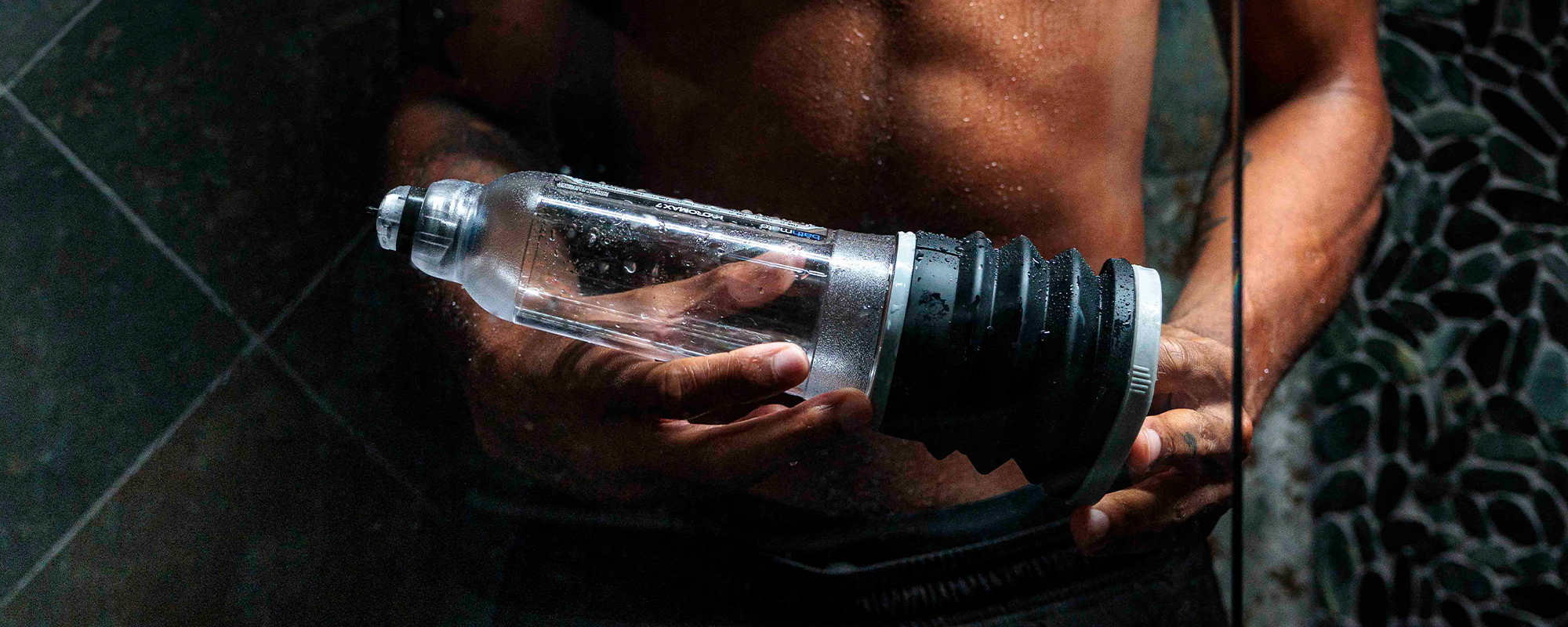
A hydropump like Bathmate works by gently increasing blood flow into the erectile tissues, helping maintain oxygenation, elasticity, and responsiveness. Used consistently, it becomes part of a routine that reinforces your body’s natural function.
Because it integrates easily into a warm shower routine, it supports both circulation and relaxation at the same time, making it practical and sustainable.
Listen to Your Body's Feedback
Your body is showing you where attention is needed:
- More movement
- Better recovery
- Less stress
- Stronger connection to your physical self
When you respond early, you don’t just prevent problems—you build a deeper level of trust with your body.
That trust changes everything. It removes pressure, restores confidence, and allows arousal to feel natural again.
Because the goal is to create the conditions where your body wants to respond—and knows how to.


Hakima Tantrika
Learn MoreHakima Tantrika is a sex educator, intimacy coach, and copywriter who contributes regularly to Bathmate’s blog. Trained in classical Tantra, she helps individuals cultivate deeper self-awareness, authentic connection, and embodied confidence. On Substack, she leads an engaged community where she shares insights on sexuality, relationships, and personal growth, blending education with honest storytelling. Through her clear, thoughtful approach and distinctive voice, Hakima brings depth and integrity to modern conversations about intimacy, pleasure, and self-understanding.
Share:
Can Diabetes Affect Your Erections? What Men Need to Know
Why High Blood Pressure Can Make Erections Harder to Maintain