


Everything worked last week. Then, out of nowhere, it didn't. A sudden loss of erection is unsettling, especially when there's no obvious reason for it.
The cause is usually short-term and traceable. Here's what triggers sudden erectile dysfunction (ED), how long it tends to last, and the signs that mean it's time to see a doctor.
What is temporary erectile dysfunction?
Temporary erectile dysfunction is a short spell of erectile difficulties with a clear trigger. You struggle to get hard or stay hard, then things return to normal once the trigger passes.
Stress, tiredness and alcohol are the usual suspects. The NHS notes that most men occasionally fail to get or keep an erection, and that it's usually nothing to worry about.
It might happen once. It might last a few weeks. What sets it apart is that your erections were reliable before, and your underlying health hasn't changed.
What is sudden erectile dysfunction?
Sudden erectile dysfunction means erectile difficulties that arrive with little or no warning. You were getting hard without thinking about it. Then you weren't.
It isn't a formal diagnosis. It describes how the problem started, and that matters. NHS Lothian's clinical guidance lists sudden onset as a pointer towards a psychological cause, and gradual onset as a pointer towards a physical one.
Sudden ED is often temporary. Still, sudden impotence can occasionally be the first sign of a new health issue, so the pattern is worth watching.
Temporary or sudden erectile dysfunction causes
Erections depend on your brain, nerves, blood vessels and hormones working together. NIDDK groups the things that disrupt them into health conditions, medicines, emotional issues and lifestyle habits.
With sudden erectile dysfunction, the trigger is usually something that changed recently.
Psychological causes of sudden ED
-
Performance anxiety often starts after one-off night. The fear of a repeat sets off a stress response that works directly against getting hard.
-
Work pressure, money worries or a family crisis keep your body in fight-or-flight mode. Raised cortisol levels can blunt the signals that start an erection.
-
Conflict, unspoken resentment or a lack of intimacy with a partner are linked with erectile difficulties in research, even when everything checks out physically.
-
Anxiety and depression are both closely tied to psychological erectile dysfunction. The link runs both ways, so erection problems can also feed low mood.
-
A new partner, a breakup, a bereavement or a big move can knock your confidence. Clinicians treat major life events as a clue to a psychological cause.
Physical causes of sudden ED
-
Some antidepressants, blood pressure medicines and opioid painkillers list erectile difficulties as a side effect. If it started soon after a new prescription or dose change, that's a clue.
-
Sleep apnoea, where breathing repeatedly stops during sleep, has been linked with erectile difficulties in young men. Waking unrefreshed or feeling sleepy all day is worth raising with your doctor.
-
Low testosterone is more likely when erection changes arrive with a drop in sex drive. A blood test from your doctor can check your levels.
-
High blood pressure, diabetes and heart disease affect the blood vessels that feed the penis. Erection changes can be the first noticeable symptom.
-
Injury or surgery around the pelvis, prostate or spine can affect the nerves that trigger an erection. Ask your care team what to expect during recovery.
Lifestyle causes of sudden ED
-
Alcohol affects erections by slowing signals between brain and body and reducing blood flow. For most healthy men, function returns once the alcohol clears.
-
Testosterone is largely replenished during deep sleep. A week or two of short nights can drag down libido, energy and erection quality together. See how sleep affects erections.
-
Smoking damages blood vessels over time. In the short term, one small trial found a single dose of nicotine reduced physical arousal in men who didn't smoke.
-
Recreational drugs can interfere with arousal and blood flow. One 2019 review found erectile difficulties around twice as common in cannabis users.
-
If erections work with porn but fade with a partner, conditioning may play a part. Researchers still debate how common porn-induced erectile dysfunction is.
How long does temporary erectile dysfunction last?
It lasts as long as the trigger does, plus however long your confidence takes to catch up.
-
Alcohol-related episodes usually clear once the alcohol leaves your system.
-
Stress or anxiety episodes tend to ease as the pressure lifts, though worry about a repeat can drag them out.
-
Medication effects can persist for as long as you take the drug.
-
Sleep-related dips should improve as your sleep does.
No clinical source sets a fixed timeline, so these points follow how each trigger works. If problems keep happening, the NHS advises speaking to a doctor.
Temporary vs chronic ED: how to tell the difference
The pattern tells you more than any single night. Clinicians look at how it started, when it happens, and whether morning erections are still showing up. Here’s an overview of how the two differ:
|
Temporary or sudden ED |
Chronic ED |
|
|
How it starts |
Suddenly, often after a specific event |
Gradually, over months or years |
|
When it happens |
In some situations, such as with a partner |
In most situations, including solo |
|
Morning erections |
Usually still present |
Often weaker or less frequent |
|
Common drivers |
Stress, anxiety, alcohol, poor sleep, a new medicine |
Conditions affecting blood vessels, nerves or hormones |
|
Over time |
Eases once the trigger is dealt with |
Persists or slowly worsens |
If you think you might be struggling with chronic ED, book an appointment with your GP. They can check your blood pressure, blood sugar, cholesterol and hormone levels, and review any medicines you take. If needed, they'll refer you to a urologist, the specialist who deals with erection problems.
How is temporary erectile dysfunction treated?
Treatment follows the cause, so start with what changed. NIDDK notes that doctors treat the underlying cause first wherever they can.
When stress or anxiety is behind it
Take penetration off the table for a while. Focus on touch with no end goal. Less pressure often lets erections come back on their own.
If the worry sticks, talking helps. NHS guidance recommends sex therapy for emotional causes, either on its own or alongside other talking therapy.
When alcohol, sleep or habits are behind it
Drink less, protect your sleep and quit smoking. NIDDK lists quitting smoking among the first lifestyle changes doctors suggest, and the NHS adds weight loss, a healthy diet and daily exercise.
Think of it like training. One good week won't fix it. Consistent habits stack up.
When a medicine is behind it
Don't stop a prescription on your own. Your doctor may be able to change the dose or switch you to an alternative with fewer sexual side effects.
Medical and device options
If problems persist, a doctor may suggest a PDE5 inhibitor such as sildenafil or tadalafil. These boost blood flow, though you still need arousal for them to work.
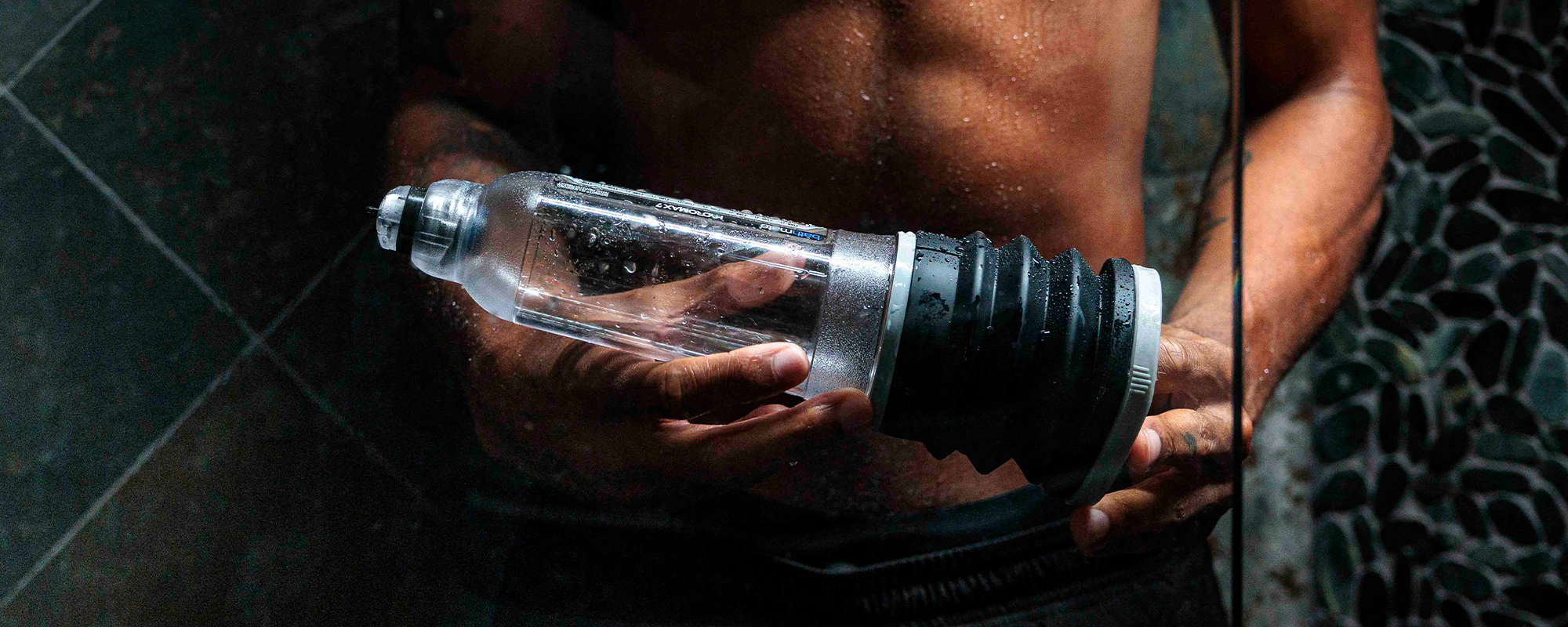
Vacuum devices are another recognised option. Some men add penis pumps to their routine to support blood flow while they deal with the cause. A Bathmate Hydropump uses water-based pressure to draw blood into the erectile tissue, and many men say seeing their body respond helps rebuild trust in it.
Read more about how our Bathmate pumps work. Note that a pump supports erection quality. It doesn't replace a doctor's assessment.
Can temporary erectile dysfunction go away on its own?
Often, yes. NHS guidance says erection problems can resolve by themselves. An episode caused by tiredness or a heavy night usually clears once you've rested and sobered up.
Anxiety is the one to watch. A single bad night can create the fear that causes the next. Once that loop starts, it may need the active steps above to break. If you’re still experiencing sudden ED after a few weeks, book in with a doctor.
Signs your temporary ED could indicate an underlying issue
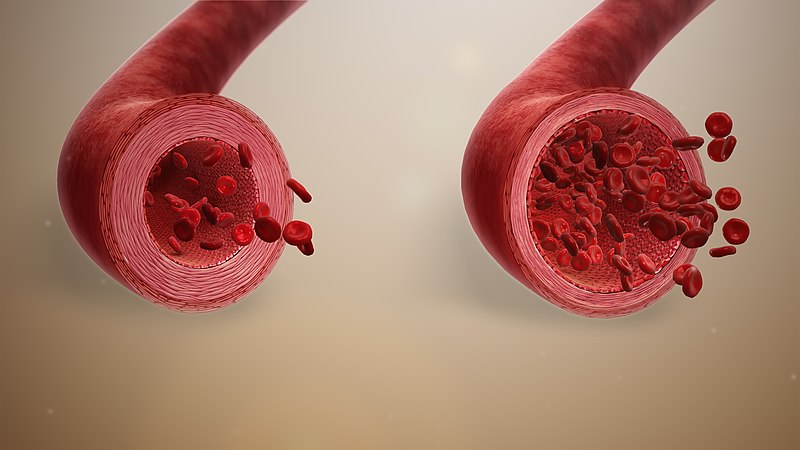
Erection quality can be an early indication of issues with your circulation. The arteries that supply the penis are small, so blood flow changes can show up there first. See a doctor if you notice any of these.
-
It keeps happening for more than a few weeks, even after you've dealt with obvious triggers like drinking, stress or short sleep.
-
Your morning erections have stopped or become noticeably weaker. Their absence points more towards a physical cause than a psychological one.
-
Erections are failing in every situation, including solo, and not only with a partner or when you feel under pressure.
-
It started soon after a new prescription or a dose change. Speak to whoever prescribed it before you stop or change anything.
-
Your sex drive has dropped alongside your erections, or you feel unusually tired. That combination can point to low testosterone, which a blood test can check.
-
You have, or may be at risk of, high blood pressure, diabetes or high cholesterol. These affect blood vessels and are common physical causes.
-
You also have chest pain, shortness of breath, dizziness or fainting. Get urgent medical help, as erectile difficulties can be linked to heart disease.
-
You notice numbness, slurred speech, confusion or loss of coordination. These can be signs of a stroke. Call 999 straight away.
Most cases of sudden ED trace back to something that changed. A stressful month. A new prescription. A run of bad sleep or a heavy weekend. When the pattern doesn't fit any of those, it becomes a physical question, and a doctor is the person to answer it. For a baseline on where things stand now, check your erection health score.

Charlie Walsh
Learn MoreCharlie Walsh is a writer at Bathmate, specializing in creating informative, engaging, and relatable content about men’s health, confidence, and wellbeing. Through his writing, Charlie helps readers better understand Bathmate’s products and the science behind them—always with a focus on honesty, empowerment, and real-world results.
Delen:
Porn-Induced Erectile Dysfunction: What It Is and What Helps