

What if your workouts could make you harder, not just stronger?
You already know that exercise boosts your health, your confidence, and your mood. But let’s talk about what it does for your erections. Because the truth is, the quality of your movement directly impacts the quality of your arousal.
Erections are one of the most honest feedback loops your body has. They reflect how well your systems (cardiovascular, hormonal, neurological) are working together. When something’s off, your erections often show it first. That makes them a powerful barometer for your overall health. And a clear motivation to train smarter, not just harder.
Still, not all exercise has the same effect. You might be doing all the right things in the gym, breaking a sweat, hitting your step count, pushing your limits, but if you’re not training with your sexual performance in mind, you might be missing a massive opportunity.
That leads to the big question: which type of training delivers the most benefit below the belt?
Is it the steady, heart-healthy rhythm of cardio (running, swimming, cycling) that gets your blood moving? Or is it the hormone-boosting, muscle-building intensity of strength training that fires up your testosterone and builds pelvic control?
The short answer? Both matter. But they matter in different ways.
Understanding how cardio and resistance training influence erection quality, libido, and sexual stamina can give you the edge, not just in the gym, but in the bedroom.
So let’s break it down. Because when you understand how movement impacts arousal, you can train in a way that supports better erections, higher libido, and deeper confidence.
#1: Cardio Trains Your Blood Vessels (and Erections Are a Blood Flow Event)
Erections are strongly linked to blood circulation..
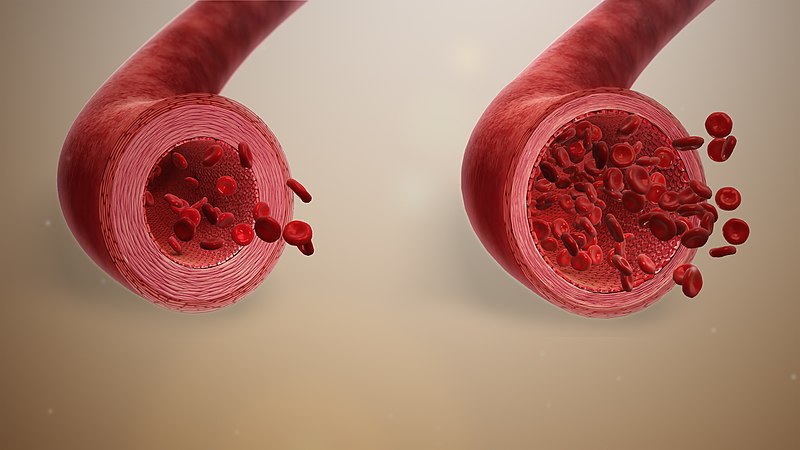
When you get aroused, your brain and nervous system signal your blood vessels to open. Blood rushes into the erectile chambers, held in place by a series of muscular valves. That pressure is what creates firmness.
But here’s the key: blood has to get there first.
That’s where cardio shines.
Even low-impact aerobic activities done consistently can make a measurable difference. Regular movement keeps your blood vessels flexible, improves oxygen delivery, and reduces the buildup of plaque, all crucial for strong erections. Over time, cardio helps create a state where arousal can happen more spontaneously, without needing to “try so hard.”
Aerobic activity such as brisk walking, jogging, cycling, swimming strengthens your heart and trains your vascular system to move blood more efficiently. It supports the endothelium (the inner lining of blood vessels) and boosts nitric oxide, the molecule that tells vessels to relax and fill.
Think of cardio as the delivery system. Without it, even high testosterone or sexual desire won’t help. If blood can’t reach the penis, erections become weak, inconsistent, or disappear altogether.
Regular cardio improves:
- Baseline circulation
- Blood pressure regulation
- Nitric oxide signaling
- Endothelial function
Just 30 minutes of moderate cardio, 3–5 times per week, can lead to noticeable improvements in erection quality, stamina, and arousal response. And it doesn’t have to be complicated; a daily walk is enough to move the needle.
Bonus benefits of cardio for erection quality
- Stress regulation and mood: Aerobic exercise releases endorphins and can help lower everyday stress, which may support arousal and erection quality.
- Confidence and body image: Feeling fitter often translates into greater sexual confidence and presence.
- Hormone support: Regular movement can help keep overall hormones in balance when paired with good sleep, nutrition, and recovery.
How to get your cardio right
- Be consistent: Choose activities you’ll actually stick with.
- Use the talk test: Aim for a pace where you can talk but not sing, a simple cue for moderate intensity.
- Mix it up: Rotate options like walking, cycling, swimming, or dancing to stay engaged and avoid overuse.
- Listen to your body: If you’re new or returning, build up gradually so soreness doesn’t derail momentum.
But there’s a caveat: too much intense cardio without rest (especially endurance training) can spike cortisol and suppress testosterone. The sweet spot is consistent, moderate movement paired with recovery.
#2: Strength Training Fuels Testosterone and Pelvic Power
Cardio gets the blood there. But strength training keeps your engine running.
Resistance workouts, especially those that challenge large muscle groups like your legs, back, and chest, trigger a natural increase in testosterone. This hormone is essential for sexual desire, spontaneous erections, and confident arousal.
Testosterone also supports lean muscle, energy, mood stability, and sensitivity to sexual stimulation. So when you train with weights, you’re not just building size; you’re building sex hormone support.
And there’s more: strength training, when done with proper breath and form, activates your core and pelvic floor. These muscles play a direct role in erection firmness, ejaculatory control, and orgasmic sensation.
Over time, lifting helps:
- Maintain testosterone levels
- Improve insulin sensitivity
- Reduce visceral fat (which can suppress hormones)
- Increase muscular control of pelvic blood flow
That last point is crucial. A stronger pelvic floor equals better blood trapping during erections, which means more fullness and longer duration.
Just like with cardio, the dose matters. Overtraining (lifting without enough rest) can lead to burnout, fatigue, and hormonal dysregulation. So strength should be intense and intentional.
#3: It’s Not Either/Or—It’s How You Combine Them
The real power isn’t in choosing one type of exercise over the other. It’s in stacking their strengths.
Cardio enhances blood flow.
Strength training enhances hormones and muscle responsiveness.
Together, they create the optimal environment for erection quality, desire, and sexual performance.
You’re supporting:
- Vascular health
- Hormonal balance
- Nervous system regulation
- Muscular coordination
- Pelvic strength
This holistic approach mirrors how the body actually works. Erections aren’t a one-system event. They’re a full-body expression of health, arousal, and recovery capacity.
#4: Train Like a Lover, Not Just a Lifter
If your goal is better erections and deeper confidence, your weekly routine should support circulation, hormone balance, pelvic strength, and real recovery.
Start with cardio.
- Aim for three to four sessions per week.
- Each session should be 30 to 45 minutes of moderate effort.
- Activities like brisk walking, swimming, cycling, or even dancing are perfect; anything that gets your heart rate up and keeps your blood moving.
- When possible, do your cardio outdoors. Natural sunlight helps regulate your circadian rhythm and boosts testosterone production through light exposure to the eyes and skin.
Next, incorporate strength training.
- Aim for two to three times per week.
- Focus on compound lifts that engage multiple muscle groups: exercises like squats, deadlifts, pushups, and rows. These movements stimulate testosterone and support full-body coordination.
- Don’t forget your pelvic floor. Include exercises like glute bridges, bird-dogs, and planks to improve control, endurance, and sexual sensation.
- Between sets, take time to rest, hydrate, and breathe fully; your recovery during the workout is just as important as the work itself.
#5: Recovery Is Where Growth Happens
You don’t build stronger erections during the workout. You build them in the recovery that follows.
After training, your nervous system, hormones, and tissues need time to recalibrate. That’s when testosterone gets replenished, blood vessels repair, and your nervous system shifts from stress to safety, the very state your body needs for healthy arousal and spontaneous erections.
So, don’t skip recovery.
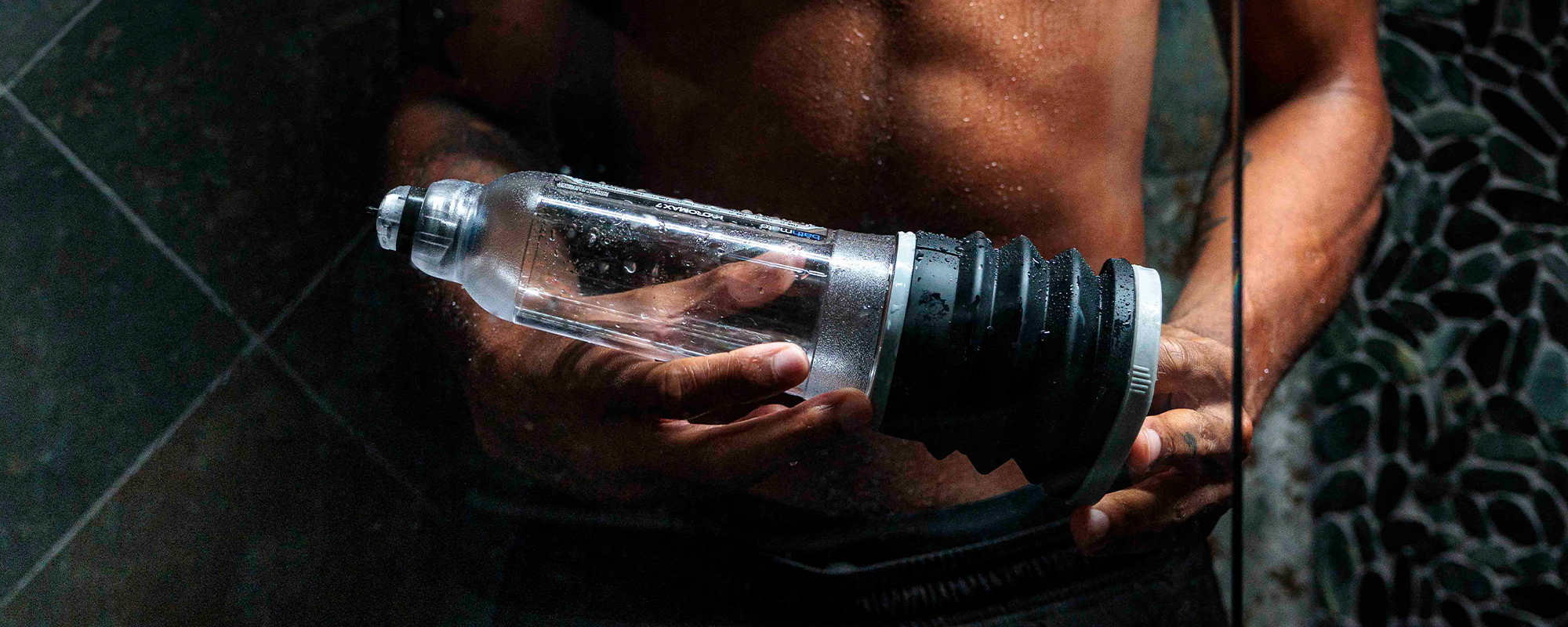
One of the most effective forms of active recovery? A warm bath paired with your Bathmate hydropump. While your body unwinds, the hydropump draws oxygen-rich blood into your erectile tissue. It supports expansion, sensitivity, and long-term tissue health, all without needing to be aroused or to perform.
Next, aim for seven to nine hours of quality sleep each night. Build in at least one to two full rest days every week to let your nervous system and muscles fully recharge. Use active recovery techniques like light stretching, warm baths, or deep breathing to restore circulation and calm your system.
This is an investment, one that pays off in circulation, confidence, and consistency.
Train for What Matters
If you want better erections, start with better movement.
And if you're not sure where to start, start small. A 10-minute walk after meals. A few bodyweight squats before bed. A light dumbbell workout that gets your blood moving.
Your body doesn’t need perfection, but it needs consistency. Showing up for yourself, again and again, sends a message to your nervous system and hormones: “We’re doing this. We’re building strength, inside and out.”
And yes, your erection is listening. You don’t need to overhaul your life overnight. What matters most is building a rhythm, a steady, respectful conversation between you and your body. When movement becomes a form of self-respect, arousal often follows naturally. Your workouts become more than physical. They become practice for presence, connection, and lasting sexual vitality.



Hakima Tantrika
Learn MoreHakima Tantrika is a sex educator, intimacy coach, and copywriter who contributes regularly to Bathmate’s blog. Trained in classical Tantra, she helps individuals cultivate deeper self-awareness, authentic connection, and embodied confidence. On Substack, she leads an engaged community where she shares insights on sexuality, relationships, and personal growth, blending education with honest storytelling. Through her clear, thoughtful approach and distinctive voice, Hakima brings depth and integrity to modern conversations about intimacy, pleasure, and self-understanding.
Share:
The Best Body Wash for Pre-Sex Freshness
Pros and Cons of App-Controlled Sex Toys