


Why do so many men notice a gradual loss of girth as they get older, even when desire is still there? What’s actually happening inside the body when an erection doesn’t look or feel as full as it used to? Girth loss is common, but it’s not random. It’s the result of predictable shifts in blood flow, tissue elasticity, nerve responsiveness, hormonal balance, and the daily pressures that accumulate quietly over time. Understanding these changes allows you to reclaim agency. Because once you know what’s happening physiologically, you can work with your body instead of worrying that something is slipping away.
Men often associate girth with masculinity, potency, or vitality. When thickness starts to fade, it can become a subtle wound to confidence, an uncomfortable reminder that the body doesn’t operate on autopilot forever. But a decline in girth doesn’t mean your best years are behind you, and it certainly doesn’t mean your body has stopped working. It simply means your erection is giving you information. And the good news is that most of the factors behind girth loss are modifiable with the right kind of support.
Let’s break down what really causes girth to change with age, what’s reversible, and how to rebuild thickness in a way that’s grounded, natural, and deeply connected to your overall confidence.
The Real Reason Girth Changes: Blood Flow First, Everything Else Second
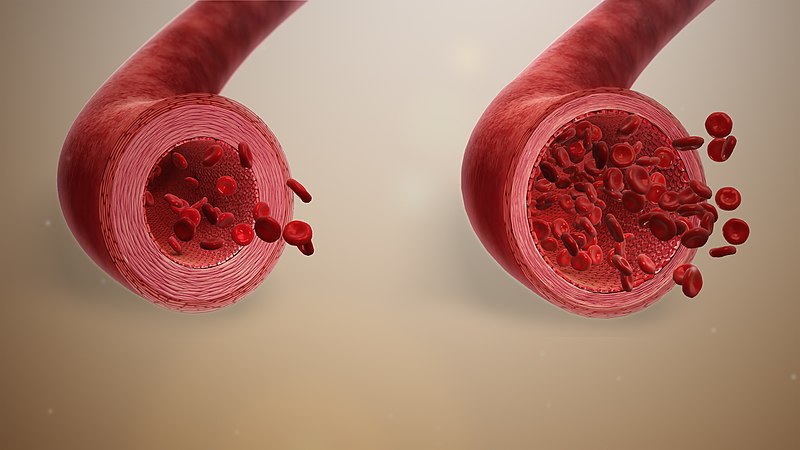
Erections are vascular events. Girth depends on how much blood your penile chambers can receive, how easily the blood vessels open, and how effectively the tissue can trap and hold that pressure. Thick, full erections require strong endothelial (blood vessel lining) function, adequate nitric oxide production, responsive nerves, flexible erectile tissue, and a relaxed nervous system.
As men age, several shifts begin to affect these systems at once.
- Blood vessels stiffen.
- Nitric oxide naturally declines.
- Testosterone gradually lowers.
- The smooth muscles inside the corpora cavernosa (the erectile chambers) lose some elasticity.
Even mild reductions in blood flow can create a visible change in circumference.Research shows that poor vascular health, including reduced arterial inflow, endothelial dysfunction, or arterial stiffness, strongly correlates with weaker erections, reduced rigidity, and impaired blood-flow dynamics. It’s physiology. As blood flow decreases, expansion decreases. And as expansion decreases, girth appears reduced, even if the underlying anatomy hasn’t changed.
Why Men Lose Girth With Age: The Five Core Causes
1. Reduced Blood Circulation and Vascular Flexibility
Healthy erections rely on blood vessels that can dilate fully and quickly. Over time, endothelial function weakens due to normal aging, stress, diet, inflammation, and inactivity. When blood vessels don’t expand as well, they deliver less blood into the erectile chambers, which means less internal pressure and less outward expansion.
Many men first notice this as softer erections, shorter duration, or a girth that feels “hollow” or “less dense.” These are vascular signals, not signs of permanent change.
Even mild improvements in cardiovascular health, like walking 30 minutes a day, have been shown to significantly increase erectile quality. Circulation is trainable. Girth responds directly to flow.
2. Decline in Testosterone and Nitric Oxide
Testosterone and nitric oxide are partners in erection strength. Testosterone supports libido, smooth-muscle function, and nitric oxide production. Nitric oxide is responsible for relaxing the blood vessels in the penis so they can fill fully. Both decline naturally with age, which is one reason men notice reduced fullness even when they still feel desire.
A 2019 clinical review shows that low testosterone is associated with reduced nitric oxide production and endothelial dysfunction, which can impair erectile function. This doesn’t mean every man needs supplementation. Many lifestyle changes (strength training, improved sleep, reduced stress, and nutrient-rich foods) naturally restore hormonal rhythm and nitric oxide levels.
3. Loss of Tissue Elasticity and Cellular Conditioning
Erectile tissue is responsive tissue; it strengthens and maintains elasticity through regular engorgement. Nighttime erections are part of this maintenance cycle. But as men age, spontaneous erections often become less frequent or shorter. Without regular oxygenation, the smooth muscle fibers inside the penis can lose some flexibility, making expansion harder.
This is also why periods of sexual inactivity (after surgeries, long-term stress, or relationship shifts) can lead to noticeable changes in girth. Tissue needs conditioning, just like muscle. When it’s not regularly expanded, it becomes less responsive.
4. Pelvic Floor Weakness
Your pelvic floor plays a critical role in girth. The bulbocavernosus and ischiocavernosus muscles compress the base of the penis during erection, trapping blood and increasing internal pressure. When these muscles weaken, which happens gradually with age, long hours of sitting, and stress, the penis struggles to maintain fullness.
Pelvic floor training significantly improves erection rigidity and control, often outperforming lifestyle changes alone. Strong pelvic muscles don’t just improve function; they enhance visual girth by helping you hold more blood inside the chambers.
5. Stress and Nervous System Tension
Stress shrinks erections. Not metaphorically, literally. Chronic tension activates the sympathetic nervous system (“fight or flight”), which constricts blood vessels and reduces pelvic circulation. The body can’t open into arousal when it’s preparing to protect itself.
Men often notice girth loss during high-stress seasons of life: new fatherhood, work pressure, financial uncertainty, emotional strain, or health scares. A tense nervous system limits expansion and creates a pattern where erections feel thinner, weaker, and less reliable.
When the body learns safety again (through breathwork, better sleep, emotional support, or reducing stimulants), erection thickness often rebounds naturally.
Why Girth Matters Emotionally (and Why It Affects Confidence So Deeply)
Unlike length, which is largely structural, girth is largely functional. It responds directly to blood flow, tissue flexibility, muscle strength, and nervous system regulation. When you improve these foundations, fullness returns.
Below are the most effective, research-backed ways to restore girth naturally.
1. Improve Cardiovascular and Pelvic Blood Flow
Daily movement is the fastest way to strengthen circulation. Walking, cycling, swimming, and resistance training all support vascular health. High-intensity interval training (in moderation) improves nitric oxide and endothelial function.
Add pelvic floor training 2–3 times a week. Strong pelvic muscles help trap blood at the base of the penis, increasing expansion and firmness. These exercises are subtle, private, and incredibly effective over time.
2. Support Nitric Oxide and Hormonal Rhythm
Nitric oxide rises through:
- nitrate-rich foods like beets, arugula, and spinach
- moderate cardio
- deep breathing and yoga
- sunlight exposure
- reducing alcohol and smoking
Hormonal rhythm improves through sleep, strength training, stress reduction, and nutrient-rich diets. Even small improvements in testosterone support stronger erection expansion.
3. Restore Tissue Elasticity Through Regular Engorgement
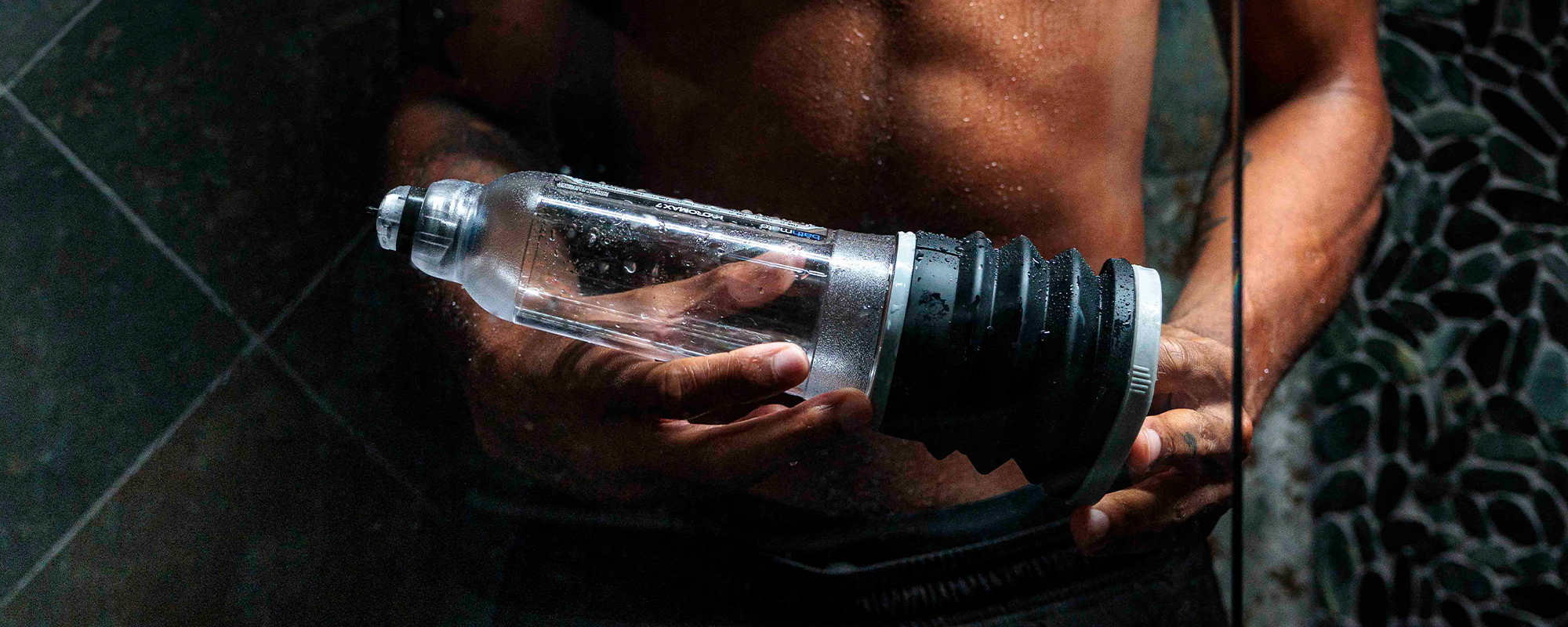
One of the most overlooked solutions to girth loss is restoring consistent blood flow directly to the erectile tissue. This is where hydropump training becomes powerful. A water-based pump like Bathmate creates gentle vacuum pressure that draws blood into the penis, oxygenating the tissue and helping it expand more fully over time. This process conditions the smooth muscle fibers, increases vascular elasticity, and improves the body’s ability to hold more blood during arousal.
Think of it as circulation training specifically for your erection, similar to how muscles respond to regular workouts. Many men use a hydropump as a supportive daily ritual because it reintroduces that natural “engorgement cycle” the body starts to lose with age. When paired with relaxation and warm water, the nervous system also learns that arousal feels safe again.
4. Reduce Stress and Strengthen Nervous System Safety
Your erection opens when your nervous system opens. That means practices that calm the body (breathwork, mindfulness, stretching, nature time, slower mornings) have direct physical benefits for girth. Erections aren’t created by willpower; they’re created by physiological safety. When you feel grounded, your blood vessels relax and flow increases.
This is why many men notice their girth is better on vacation, after exercise, or following deep sleep. The nervous system moves out of survival mode and allows expansion again.
5. Strengthen the Emotional Relationship with Your Body
One of the most powerful shifts you can make is reframing girth not as a “score” or performance metric, but as a signal of what your body needs. Shame constricts blood flow. Pressure tightens the pelvic muscles. Worry activates the sympathetic nervous system. When you start supporting your body rather than critiquing it, circulation improves naturally.
Confidence is not something you wait for; it’s something you practice through steady, consistent care. And as your erection becomes fuller and more responsive, your trust in your body rebuilds too.
Reclaiming Girth Means Reclaiming Connection
Losing girth with age isn’t a failure; it’s a signpost. It shows you exactly where your body needs support, more circulation, more oxygenation, more relaxation, more engagement with your pelvic foundation, more consistency in how you show up for yourself.
When you combine movement, breath, nutrition, pelvic strength, and tools like a warm-water hydropump used for a few minutes a day, you give your body everything it needs to expand again. Girth returns not through pressure, but through presence. Through daily care. Through a grounded, confident relationship with your sexual health.
Your erection is not fading. It’s waiting for you to reconnect.


Hakima Tantrika
Learn MoreHakima Tantrika is a sex educator, intimacy coach, and copywriter who contributes regularly to Bathmate’s blog. Trained in classical Tantra, she helps individuals cultivate deeper self-awareness, authentic connection, and embodied confidence. On Substack, she leads an engaged community where she shares insights on sexuality, relationships, and personal growth, blending education with honest storytelling. Through her clear, thoughtful approach and distinctive voice, Hakima brings depth and integrity to modern conversations about intimacy, pleasure, and self-understanding.
Share:
Sex and Heart Health: What Every Guy Should Know
How Hair Loss Affects Sexual Confidence – and How to Fight It