

Quick Summary
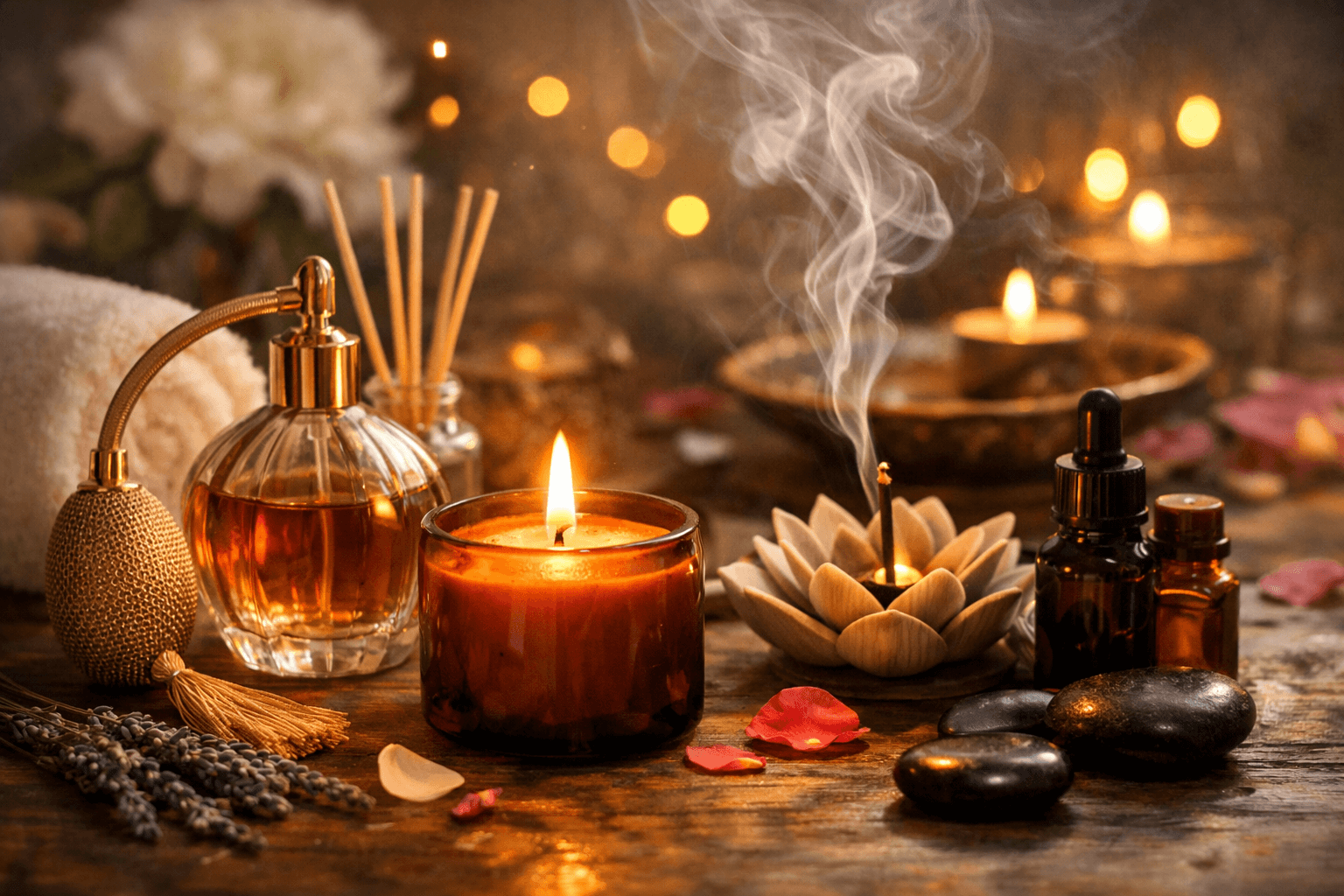
Fragrance is far more than a pleasant smell in the air. It directly influences the brain’s emotional centers through the olfactory system, shaping how we feel, think, and interact with our environment. By understanding scent psychology and choosing the right fragrances for different moments, you can create a home atmosphere that promotes relaxation, focus, intimacy, and well-being.
Certain scents—such as lavender, sandalwood, or citrus—can encourage calm, boost energy, or stimulate emotional connection. Using tools like essential oils, scented candles, reed diffusers, and room sprays allows you to design a scent-driven ambiance tailored to specific spaces like the bedroom, living room, or home office.
A thoughtful fragrance strategy—combining mood-based scent selection, scent zoning, and daily scent rituals—can transform ordinary rooms into environments that support emotional balance, comfort, and confidence.
The Hidden Power of Fragrance and Mood
Most people underestimate how strongly fragrance and mood are connected. The moment a scent enters the nose, signals travel through the olfactory system directly to the limbic region of the brain—the area responsible for emotions, memory, and instinctive responses.
This direct neurological pathway explains why scent and emotion are inseparable. A single fragrance can trigger nostalgia, relaxation, confidence, or excitement almost instantly.
Unlike sight or sound, smell bypasses conscious filtering. That’s why scent perception often produces powerful emotional reactions before we even realize it.
Understanding scent psychology makes it easier to shape your environment intentionally. The right aroma can:
- Encourage relaxation after a long day
- Improve focus and mental clarity
- Promote emotional balance
- Create a sense of comfort and serenity
- Support a calming bedtime atmosphere
When used thoughtfully, fragrance becomes part of a broader self-care ritual that contributes to overall fragrance and wellness.
Why Scent Affects Mood So Strongly
To understand how scent influences emotional states, it helps to understand how the brain processes smell.
When molecules from a fragrance enter the nose, receptors detect them and send signals to the brain’s limbic system. This is the region responsible for:
- Emotional processing
- Memory formation
- Hormone regulation
- Motivation and alertness
Because of this pathway, scent and memory are closely linked. A fragrance experienced during a meaningful moment can later recreate that emotional state almost instantly.
For example:
- A fresh citrus fragrance may stimulate alertness and motivation.
- Lavender often produces calm and stress relief.
- Woody fragrances like sandalwood can create grounding and tranquility.
This is why fragrance is widely used in emotional aromatherapy and fragrance therapy to support mental well-being.
The relationship between scent and atmosphere is also why hotels, spas, and luxury environments carefully design their signature scents.
Creating a Scent-Driven Ambience at Home
Designing the right scent environment doesn’t require professional training. With a little experimentation, anyone can transform their living space using home fragrance products.
The key is matching fragrance types with the desired emotional outcome.
Fragrance Tools You Can Use
Common methods for creating a mood-enhancing fragrance environment include:
- Essential oils
- Essential oil blends
- Scented candles
- Reed diffusers
- Room spray
- Pillow mist
- Fragrance oils
Each option offers different strengths depending on how quickly you want the scent to spread or how subtle you want the aroma to be.
For example:
- Candles create warmth and a cozy environment.
- Diffusers offer long-lasting scent for living spaces.
- Room sprays provide quick mood adjustments.
- Pillow mists encourage restful sleep.
This approach is often referred to as scent styling for the home—using fragrance as part of interior atmosphere design.
The Importance of Fragrance in Personal Well-Being
While scent is often associated with décor or ambiance, it also plays a role in confidence and physical self-care routines.
Many people include sensory elements like fragrance when creating a relaxing routine involving grooming, relaxation, or personal wellness. For example, some men incorporate calming aromas into their self-care practices alongside tools such as the products available at Bathmate Direct.
These routines often focus on:
- relaxation
- stress relief
- improving confidence
- mindful living
- physical well-being
Products like the Bathmate pump range is commonly integrated into personal care rituals where environment and atmosphere contribute to comfort and focus.
In the same way fragrance influences emotional states, creating the right environment can enhance any self-care ritual.
Choosing Fragrances for Relaxation and Calm
When the goal is unwinding, the best scents tend to be soft, warm, and soothing.
These fragrances support tranquility, grounding, and serenity, making them ideal for evening routines or relaxing after work.
Best Scents for Relaxation
Some of the most effective calming scents include:
- Lavender – known for stress relief and improving sleep
- Sandalwood – grounding and warm
- Cedarwood – calming and earthy
- Patchouli – deeply relaxing
- Rose – comforting and emotionally soothing
These fragrances are widely used in aromatherapy oils designed for calming environments.
A popular approach is creating an evening relaxation scent routine using:
- A scented candle or diffuser
- Soft lighting
- Relaxation activities such as reading or bathing
This creates a peaceful atmosphere that helps the body transition into rest.
Some people extend this routine into personal wellness habits or relaxation practices that may include products like the HydroXtreme Pump, where comfort and relaxation play an important role in the experience.
Energizing Scents for Focus and Productivity
While some fragrances promote calm, others stimulate the mind and improve concentration and alertness.
These scents are especially effective in a home office fragrance environment where productivity matters.
Best Energizing Scents
Common mood-boosting scents include:
- Lemon – uplifting and refreshing
- Bergamot – energizing with subtle sweetness
- Neroli – stimulating yet balanced
- Rosemary – supports focus and memory
- Eucalyptus – refreshing and invigorating
These scents are frequently used in essential oils for focus and productivity.
A diffuser with citrus or herbal scents during the morning can help:
- boost energy
- improve mental clarity
- enhance motivation
- support concentration
Creating a morning routine scent like this can make the start of the day feel more structured and productive.
Using Scent Zoning to Shape the Atmosphere of Every Room
A powerful technique for improving fragrance and mood throughout the home is something interior designers often call scent zoning. Instead of using one fragrance everywhere, each room receives a scent that supports its purpose.
This approach creates a scent-driven ambiance where every space feels intentional and emotionally aligned.
Think of it as designing your home’s emotional landscape through fragrance.
Example Scent Zones
Bedroom – Calm and intimacy
- Lavender
- Sandalwood
- Rose
- Jasmine
These fragrances help create a peaceful atmosphere, encourage restful sleep, and support relaxation at the end of the day.
Living Room – Comfort and warmth
- Cedarwood
- Patchouli
- Musk
- Vanilla blends
These notes create comfort and tranquility, perfect for social gatherings or relaxing evenings.
Home Office – Focus and clarity
- Lemon
- Bergamot
- Rosemary
- Eucalyptus
These scents promote mental clarity, concentration, and productivity.
Bathroom or Spa Space – Refresh and reset
- Eucalyptus
- Pine
- Green tea
- Citrus fragrance
These notes create a spa-like atmosphere that feels refreshing and energizing.
By aligning scent with purpose, the home becomes an environment that supports emotional balance and sensory well-being.
Fragrance Layering: Building a Signature Atmosphere
Another advanced technique in scent styling for the home is fragrance layering.
Instead of relying on a single fragrance source, multiple scent elements are combined to build a richer sensory experience.
Layering can involve:
- scented candles
- essential oil blends
- room mist
- reed diffusers
- fragrance oils
When combined thoughtfully, these products create a signature scent that defines the feeling of a room.
Example Layering Strategy
A relaxing evening environment might include:
- A lavender or rose diffuser in the background
- A sandalwood candle for warmth
- A pillow mist to support sleep
This layered approach allows scents to evolve gradually throughout the evening.
The result is a deeper fragrance and emotional response that feels natural rather than overwhelming.
The Role of Scent in Intimacy and Emotional Connection
Fragrance also plays a powerful role in attraction and connection. Certain scents naturally trigger emotional openness, confidence, and physical awareness.
This is partly due to the brain’s response to smell—our scent memory is deeply tied to emotional bonding.
Some scents often associated with intimacy include:
- Jasmine
- Rose
- Musk
- Sandalwood
- Orange blossom
These aromas are warm, sensual, and emotionally grounding.
When used thoughtfully as a bedroom fragrance, they can help create an environment that encourages closeness and relaxation.
The right scent doesn’t just change the atmosphere of a room—it can subtly influence mood, confidence, and connection between people.
Many people combine environmental elements like fragrance, lighting, and relaxation routines to create an atmosphere where they feel comfortable and confident.
For example, personal wellness routines may incorporate calming scents alongside tools designed to support physical confidence, such as the Hydromax Lander.
By combining sensory experience with personal care rituals, individuals can build environments that support both emotional well-being and physical confidence.
Daily Scent Rituals for Emotional Balance
Incorporating fragrance into daily life doesn’t require complicated setups. Small scent rituals throughout the day can gradually shape mood and mindset.
These habits support holistic wellness and create a rhythm to daily life.
Morning: Energy and Motivation
A Morning routine scent should feel refreshing and stimulating.
Ideal fragrance notes include:
- lemon
- bergamot
- lemongrass
- rosemary
These scents stimulate alertness and help the brain transition into a productive state.
A quick spray of citrus room mist or a diffuser with energizing oils can immediately boost energy and improve motivation.
Afternoon: Focus and Mental Clarity
During the middle of the day, scents that encourage concentration and mental clarity work best.
Examples include:
- eucalyptus
- rosemary
- green tea
- pine
These fragrances refresh the senses and help maintain productivity during long work periods.
Many people find that pairing these scents with a structured self-care break—such as relaxation exercises or personal grooming routines—helps reset the mind.
For instance, incorporating personal wellness products like the Hydro7 into a relaxation routine can complement the calming effects of a focused environment.
Evening: Relaxation and Comfort
As evening approaches, fragrances should gradually shift toward calming and grounding scents.
Effective evening aromas include:
- lavender
- sandalwood
- cedarwood
- patchouli
These scents signal to the body that it’s time to unwind and prepare for sleep.
Using a diffuser or pillow mist with calming scents can significantly improve sleep quality and reduce stress levels.
Choosing the Right Fragrance Notes for Every Mood
Understanding fragrance categories makes it easier to choose scents intentionally.
Below are common fragrance families and their emotional effects.
Citrus Fragrances
Citrus scents are associated with uplifting mood and mental clarity.
Examples include:
- lemon
- bergamot
- neroli
- orange blossom
These scents are ideal for mornings and workspaces.
Floral Scents
Floral aromas are often linked with comfort, relaxation, and emotional balance.
Common floral fragrances include:
- lavender
- rose
- jasmine
- honeysuckle
These scents work well in bedrooms and relaxation spaces.
Herbal and Green Scents
Herbal fragrances promote freshness and focus.
Examples include:
- rosemary
- eucalyptus
- lemongrass
- pine
They are especially effective in home offices or study areas.
Woody Fragrances
Woody notes are grounding and emotionally stabilizing.
Examples include:
- sandalwood
- cedarwood
- patchouli
These fragrances are ideal for creating comfort and tranquility in living rooms or bedrooms.
Creating a Complete Sensory Environment
Fragrance works best when combined with other environmental elements.
A fully immersive sensory experience might include:
- warm lighting
- calming music
- comfortable textures
- relaxing routines
- subtle fragrance
Together these elements create a scent and atmosphere that promote emotional well-being.
Many people incorporate fragrance into broader self-care rituals that include grooming, relaxation, and physical wellness.
For example, some routines combine calming scents with personal care tools such as the HydroXtreme Kit, where environment and relaxation contribute to a more comfortable experience.
When scent, environment, and personal care align, the result is a powerful sense of confidence, comfort, and emotional balance.
How Scent Memory Shapes Long-Term Emotional Experiences
One of the most fascinating aspects of fragrance is the strength of scent memory. Unlike visual or auditory memories, smells are stored very close to emotional memory centers in the brain.
This means a fragrance experienced during a meaningful moment can later recreate the emotional state associated with it.
For example:
- A certain floral scent might remind someone of a romantic evening.
- A citrus fragrance could trigger memories of productive mornings.
- A warm woody fragrance may evoke feelings of comfort or nostalgia.
Because of this connection between scent and memory, many people intentionally pair fragrances with important routines.
Over time, the brain begins to associate those scents with specific emotional states.
For example:
- Lavender may become associated with restful sleep.
- Citrus scents may signal focus and productivity.
- Sandalwood may represent relaxation and grounding.
This technique is commonly used in fragrance therapy and emotional aromatherapy to reinforce emotional balance.
Building a Mood-Based Fragrance Strategy
Creating a home environment that supports well-being often comes down to a simple concept: mood-based scent selection.
Instead of choosing fragrance randomly, the scent is selected based on the emotional outcome you want to create.
Step 1: Define the Mood
Ask what feeling you want the space to encourage:
- Relaxation
- Focus
- Comfort
- Confidence
- Energy
This intention guides the fragrance choice.
Step 2: Select the Right Fragrance Category
Different fragrance families support different moods.
| Mood | Ideal Fragrance Notes |
|---|---|
| Relaxation | Lavender, sandalwood, cedarwood |
| Energy | Lemon, bergamot, neroli |
| Focus | Rosemary, eucalyptus |
| Comfort | Rose, musk, patchouli |
| Inspiration | Orange blossom, jasmine |
This approach helps ensure the fragrance and emotional response align with the desired environment.
Step 3: Choose the Right Delivery Method
Once the fragrance is selected, the next step is deciding how it will be used.
Common home fragrance products include:
- scented candles
- reed diffusers
- essential oil diffusers
- fragrance oil burners
- room spray or room mist
Each method produces a different type of scent distribution.
For example:
Reed diffusers
- Long-lasting
- Subtle background scent
- Ideal for living rooms
Candles
- Warm atmosphere
- Stronger scent presence
- Ideal for evening relaxation
Room sprays
- Quick mood adjustment
- Instant scent refresh
Combining these options helps create a consistent scent-driven ambiance throughout the day.
Avoiding Common Fragrance Mistakes
While fragrance can dramatically improve the atmosphere of a space, there are a few mistakes that can reduce its effectiveness.
1. Using Too Many Scents at Once
Too many strong fragrances can compete with each other and overwhelm the senses.
Instead, focus on fragrance layering within the same scent family.
For example:
- lavender diffuser
- sandalwood candle
- rose pillow mist
These complementary scents build depth without creating confusion.
2. Ignoring Room Size
Large rooms require stronger scent sources, while smaller rooms benefit from lighter fragrances.
Examples:
- Large living room – candles or diffusers
- Bedroom – pillow mist or soft diffuser
- Bathroom – room spray
This ensures the fragrance enhances the space without becoming overpowering.
3. Forgetting Seasonal Changes
Fragrance preferences often shift with the seasons.
Spring / Summer
- citrus fragrance
- neroli
- green tea
- lemongrass
Autumn / Winter
- sandalwood
- patchouli
- cedarwood
- musk
Changing fragrances seasonally keeps the home atmosphere feeling fresh and dynamic.
Creating a Personal Wellness Environment
Fragrance is most powerful when it becomes part of a broader self-care ritual.
Rather than being a decorative detail, scent becomes a tool for improving well-being.
A well-designed routine might include:
- calming lighting
- relaxing music
- intentional fragrance use
- comfortable surroundings
- personal wellness practices
These elements combine to support sensory well-being and emotional balance.
For many individuals, personal care routines also include grooming, relaxation practices, and confidence-building habits.
For example, some men integrate relaxation environments with wellness tools such as the HydroXtreme Ultramale Kit, pairing physical self-care with calming scents and a comfortable atmosphere.
When the environment encourages relaxation and focus, personal routines often feel more natural and enjoyable.
Choosing the Right Tools for Personal Comfort
Creating the right environment for relaxation often involves practical tools that support personal well-being.
Alongside fragrance, many people explore physical wellness products that complement their routines.
For example, the Bathmate range of accessories available through the Bathmate accessories collection is designed to support comfort and convenience for users who include pump training in their self-care habits.
When combined with calming scents and a relaxing atmosphere, these routines can feel less like a task and more like an intentional moment of personal care.
Final Thoughts
Understanding fragrance and mood opens the door to a powerful yet often overlooked way of shaping daily life.
Scent influences how we feel, how we focus, and even how we connect with others.
By learning the basics of scent psychology, anyone can transform ordinary spaces into emotionally supportive environments.
Simple practices such as:
- scent zoning
- fragrance layering
- mood-based scent selection
- daily scent rituals
can dramatically improve fragrance for well-being.
Whether you are creating a peaceful bedroom, an energizing workspace, or a relaxing evening routine, fragrance provides a subtle but powerful way to guide emotional experiences.
When scent, environment, and personal wellness practices work together, they create a living space that encourages confidence, relaxation, and balance—every single day.
Frequently Asked Questions About Using Fragrance to Set the Mood
1. How quickly can fragrance influence mood?
Fragrance can influence mood almost instantly. When scent molecules enter the nose, they interact with the olfactory system, which connects directly to the brain’s emotional center. This is why a pleasant aroma can immediately create feelings of calm, energy, or comfort.
2. What are the best scents for creating a romantic atmosphere?
Certain fragrances are widely associated with intimacy and emotional connection. Popular options include:
- Jasmine
- Rose
- Sandalwood
- Musk
- Orange blossom
These scents often create warmth, relaxation, and emotional openness, making them ideal for bedroom environments.
3. Can fragrance help reduce stress and anxiety?
Yes. Many scents used in aromatherapy oils are known for promoting relaxation and emotional balance. Lavender, cedarwood, and chamomile are commonly used to help people unwind and reduce stress levels.
Using calming fragrances during evening routines can also improve sleep quality and encourage a peaceful atmosphere.
4. What fragrance strength is best for a room?
The ideal fragrance strength depends on the room size and ventilation.
- Small rooms – light scents like floral or herbal notes
- Medium rooms – moderate scents such as citrus or green fragrances
- Large rooms – stronger scents like woody or musky fragrances
The goal is to create a subtle scent-driven ambiance rather than an overpowering smell.
5. Should different rooms in the house have different scents?
Yes. Using different fragrances in different spaces—often called scent zoning—helps align each room with its purpose.
Examples include:
- Lavender in the bedroom for relaxation
- Citrus in the kitchen for freshness
- Woody scents in the living room for warmth
- Herbal fragrances in the home office for focus
This approach improves the overall home atmosphere.
6. Are natural fragrances better than synthetic ones?
Natural fragrances, such as essential oils, are often preferred for aromatherapy because they contain plant-derived compounds that can support emotional well-being.
However, high-quality synthetic fragrances can also provide pleasant and long-lasting scent experiences. The best choice depends on personal preference and sensitivity.
7. How long should fragrance be used during the day?
Fragrance can be used throughout the day, but rotating scents based on time and mood often works best.
For example:
- Morning – energizing citrus scents
- Afternoon – herbal scents for focus
- Evening – calming floral or woody fragrances
This type of daily scent ritual supports emotional balance and mental clarity.
8. Can fragrance improve productivity while working from home?
Yes. Certain scents are known to support concentration and alertness. Fragrances like rosemary, eucalyptus, lemon, and bergamot are often used in home office fragrance setups to help maintain focus and productivity.
Using a diffuser or room mist during work hours can subtly improve mental clarity.
9. How often should you change fragrances in your home?
Changing fragrances occasionally can prevent scent fatigue and keep environments feeling fresh.
Many people rotate fragrances:
- Seasonally
- Based on mood
- For different activities or routines
This keeps the sensory experience dynamic and engaging.
10. What is the easiest way to start using fragrance intentionally?
The simplest method is to begin with one scent and one delivery method, such as a reed diffuser or scented candle.
Choose a fragrance that supports the mood you want to create—whether relaxation, focus, or comfort—and place it in the room where you spend the most time.
From there, you can gradually expand your fragrance routine using different scents, products, and scent zones throughout your home.






Share:
Morning Wood: What’s Normal, What’s Not?
Building a Discreet Sex Toy Drawer