


Why can some men get hard again within minutes while others need time (sometimes a lot of time) before their bodies return to full arousal? If you’ve ever wondered why “round two” feels easy on some days and nearly impossible on others, the answer is rooted in erection quality, blood flow, hormones, and how safely your nervous system can shift back into arousal.
Understanding what shapes your refractory period, the time between orgasm and the ability to achieve another erection, helps you work with your body instead of judging it. And when you understand the physiology, you see that recovery speed is less about luck or youth and more about circulation, hormones, pelvic floor strength, stress levels, and how practiced your arousal pathways are. Those are all trainable systems.
Men who recover faster aren’t simply “more sexual”; they’re often men whose bodies are circulating well, whose nervous systems feel safe, and whose erection tissues receive regular stimulation and oxygenation. That’s good news, because each of these layers can be supported and strengthened over time.
What Actually Happens During the Refractory Period
After ejaculation, your body temporarily shifts out of arousal mode and into recovery mode. Prolactin rises, dopamine dips, oxytocin increases, and blood flow to the erectile chambers decreases. Smooth muscle tissue in the penis contracts again, and nitric oxide, your key vasodilator, drops.
This cascade is adaptive. It resets your hormonal and neurological system so your body can rest. But the duration of this reset varies widely from man to man.
Some common influences include:
- Circulatory health: Strong circulation is one of the clearest predictors of erection reliability and recovery speed. Men with stronger vascular function regain erection firmness more easily because blood returns to the penis with less resistance.
- Hormonal balance: Testosterone plays an essential role in sexual responsiveness. Lower levels can extend the refractory period and reduce the intensity of “round two” arousal.
- Pelvic floor strength: These deep core muscles help draw blood in and keep it there. When they’re strong, erections return with more certainty.
- Nervous system state: If your system is stressed or tense, your brain stays in a sympathetic “fight-or-flight” mode, blocking the shift back into desire.
- Sleep and recovery: The more rested you are, the stronger your hormones, circulation, and overall readiness for sexual engagement.
Blood Flow: The First Gatekeeper of “Round Two”
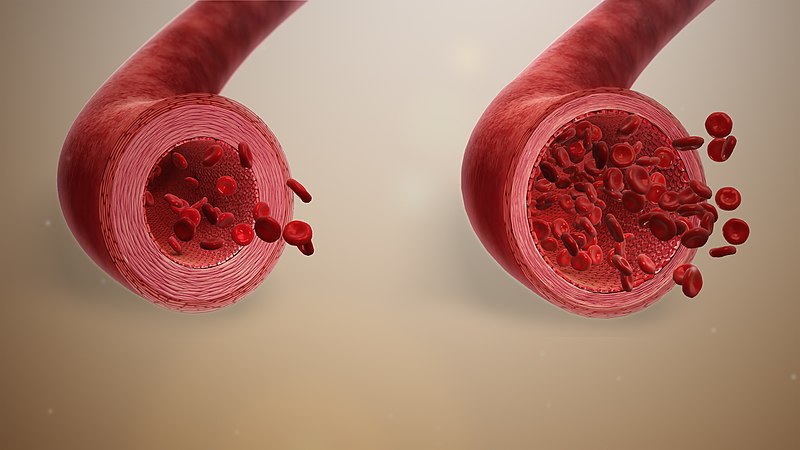
Every erection depends on one primary factor: open, healthy blood vessels. Erections are fundamentally a circulatory event.
Research shows that erectile function often declines years before cardiovascular issues become visible, because penile arteries are smaller and more sensitive to reduced blood flow.
So when men recover faster, it’s usually because their blood vessels can quickly re-dilate in response to arousal signals. That dilation is controlled by:
- Nitric oxide (NO)
- Endothelial health (the inner lining of blood vessels)
- Relaxed pelvic and abdominal muscles
- Strong vascular elasticity
Cardio, strength training, and pelvic floor work all contribute to improved vascular responsiveness, supporting not just the first erection, but the second.
When circulation is strong, “round two” isn’t a strain. It’s simply another expression of blood flow responding well.
Testosterone, Dopamine, and Why Desire Can Return Quickly or Not at All
The hormonal side of recovery is equally powerful.
Testosterone influences libido, confidence, nitric oxide production, and erectile reliability. Men with balanced testosterone tend to experience shorter refractory periods because their bodies cycle back into arousal more efficiently.
Testosterone naturally drops briefly after ejaculation.
For some men, that dip is small and recovers quickly. For others, especially those dealing with chronic stress, poor sleep, or low activity, the dip is like a full shut-down. It can take hours before sexual interest returns.
Lifestyle habits directly shape this curve. Resistance training, high-quality sleep, nutrient density, and stress regulation all support a stronger testosterone rhythm and more predictable sexual responsiveness.
Dopamine plays a role too. It’s the neurotransmitter of desire, focus, and anticipation.
After orgasm, dopamine drops while prolactin rises, creating that well-known “post-orgasm calm.” When dopamine replenishes quickly, desire rises again. When it doesn’t, the system stays flat.
What speeds that dopamine recovery?
- Rest and deep breathing
- Exercise
- Relaxation and parasympathetic activation
- Positive emotional connection
- Confidence and safety with your partner
- Consistent sexual stimulation and conditioning
The Nervous System: The Hidden Determinant of Recovery Speed
Your ability to get hard again is directly tied to how quickly your nervous system shifts back into parasympathetic arousal. Arousal requires relaxation because tension restricts blood flow, tightens smooth muscle tissue, and disrupts nitric oxide release.
Men with shorter refractory periods often have nervous systems that can downshift easily. They can:
- Breathe deeply
- Stay connected to pleasure
- Move without performance pressure
- Feel safe in their body and with their partner
On the contrary, men with longer recovery times often:
- Hold tension in the pelvis or abdomen
- Carry unspoken anxiety
- Feel pressure to return quickly
- Brace instead of relax
Elevated cortisol narrows blood vessels and suppresses testosterone and emotional tension creates muscular tension, especially in the pelvic floor and lower abdomen, where erection-supporting vessels travel.
When your nervous system feels safe, arousal reopens. When it doesn’t, the system stays shut.
Pelvic Floor Muscles and How They Influence Recovery
Pelvic floor muscles play a crucial role in erection firmness, rigidity, and control. But they also matter for “round two.”
Pelvic floor contraction helps trap blood inside erectile chambers. Stronger muscles create stronger pressure, which means the erection can re-form more quickly. Consistent training improves stamina, responsiveness, and the ability to sustain multiple arousal cycles.
This is one of the reasons men often notice faster recovery when combining pelvic floor work with circulation training and overall arousal conditioning.
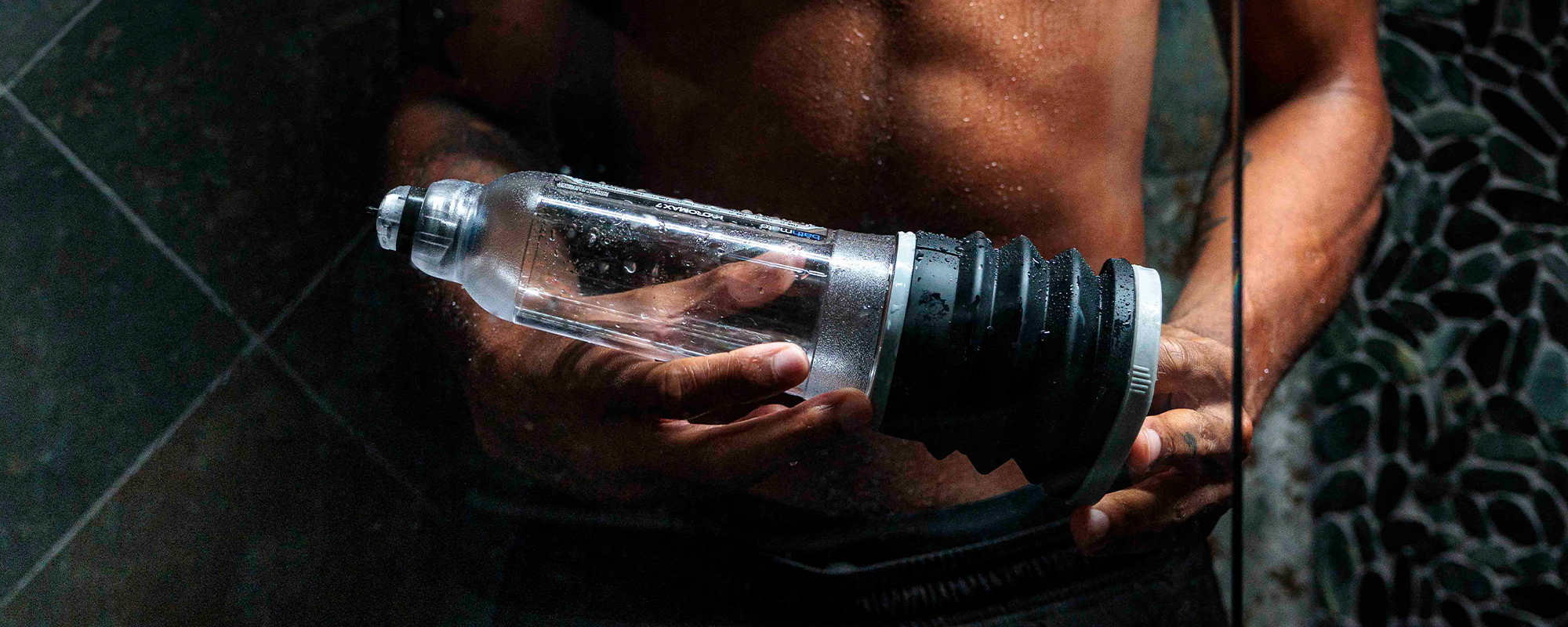
When you practice longer holds, fast pulses and breath-synchronized contractions, you’re essentially training erection mechanics. And when combined with a hydropump use like Bathmate, which delivers increased blood flow to the area, the synergy creates a more responsive system, one that comes online more easily after orgasm.
Why Some Men Recover Faster as They Age
Contrary to common belief, recovery time doesn’t always get worse with age. Many men experience more reliable “round two” erections in their 30s, 40s, and even 50s because they’re more attuned, more embodied, and more experienced with their arousal patterns.
Age tends to influence recovery negatively when:
- Circulation is poor
- Sleep falls short
- Stress remains unaddressed
- Testosterone dips
- Lifestyle becomes sedentary
But men who support their vascular and hormonal health often recover as quickly in midlife as they did in their early 20s.
Movement, cardio, and strength training dramatically improve erection reliability. When the cardiovascular system is conditioned, blood moves easily, and that ease shows up directly in recovery speed.
The Confidence Factor: Presence Shapes Performance
Confidence influences recovery in one simple way: tension kills arousal, and confidence reduces tension.
Men who recover quickly aren’t forcing anything. They’re relaxed. They’re present in the moment, connected to themselves and their partner. They’re not judging their body. They’re not rushing or “trying to get it up again.” They’re simply allowing.
Presence, ease, and emotional attunement carry more sexual weight than firmness alone. And those same qualities influence physiological recovery because they keep the nervous system in a receptive state.
Confidence is a physiological condition as much as a mental one.
6-Step Recovery Routine
Here are six things you can do to shorten the refractory period.
1. Encourage Circulation After Sex
Helping circulation recover is one of the simplest ways to support erection recovery.
Light movement helps. Standing up, walking to the bathroom for water, or stretching your hips for a minute keeps blood moving through the pelvic area.
Erectile tissue relies on oxygen-rich blood to stay responsive. Maintaining circulation after sex allows the body to settle without the sudden drop in blood flow that can slow recovery.
Hydration helps as well. Sexual activity raises heart rate and involves physical effort, so drinking a glass of water afterward helps maintain blood volume.
Warmth can also support circulation. A warm shower relaxes the body and allows blood vessels to open more easily.
2. Let the Nervous System Settle
The nervous system plays a central role in sexual recovery.
During arousal the sympathetic nervous system prepares the body for action. Recovery depends on the opposite response. The parasympathetic system allows the body to relax and return to balance.
Chronic stress can interfere with this shift. Elevated cortisol can reduce nitric oxide signaling and make erections more difficult to maintain.
Simple habits help the body transition. Slow breathing for a few minutes is often enough. Some couples prefer lying together quietly or continuing gentle touch. Even a short conversation can signal safety to the nervous system.
When the body relaxes, circulation and arousal signals tend to return more easily.
3. Train the Pelvic Floor
Pelvic floor muscles quietly support erection strength.
Two muscles in particular (the bulbocavernosus and the ischiocavernosus) help keep blood inside the penis during an erection by compressing veins that would otherwise allow blood to drain away.
Stronger pelvic floor muscles often improve erection firmness and control.
A basic exercise is simple:
- Tighten the muscles you would use to stop urination, hold for about five seconds, then relax.
- Repeating this cycle several times once or twice per day gradually builds strength and coordination.
4. Support Hormone Balance
Hormones also influence how quickly desire returns after orgasm.
Testosterone plays an important role in libido and erectile function. It also supports nitric oxide production, which allows blood vessels to expand during arousal.
Daily habits influence hormone balance.
Strength training can stimulate short-term increases in testosterone. Sleep is just as important, since much of the body’s testosterone production occurs during deep sleep.
Nutrition supports hormone production as well. Foods rich in zinc, magnesium, healthy fats, and vitamin D provide nutrients involved in hormone synthesis.
Men who maintain these habits often notice steadier energy levels and more consistent sexual desire.
5. Maintain Healthy Blood Flow in Erectile Tissue
Erectile tissue benefits from regular circulation.
Physical activity, particularly cardiovascular exercise, supports vascular health and helps maintain elasticity in the penis.
Some men also use hydropumps as part of their routine. Devices such as Bathmate create gentle vacuum pressure in warm water, drawing blood into erectile tissue.
Short sessions encourage circulation and oxygen delivery to the area.
The goal is not to force an immediate second erection. Instead, the focus is on supporting long-term vascular health so erections can occur naturally.
6. Stay Connected With Your Partner
Emotional connection can influence physical recovery more than many people expect.
After orgasm some couples disengage quickly, rolling over or reaching for their phones. Remaining close for a few minutes often helps the body stay relaxed.
Touch, conversation, or quiet closeness can signal safety to the nervous system.
When the body feels comfortable and unpressured, arousal signals may return more easily.
Research on sexual satisfaction shows that emotional connection and communication shape the experience as much as physical factors.
Reducing performance pressure frequently allows desire to return naturally.
The Truth About “Round Two”
Your recovery time is not a measurement of masculinity or virility. It’s simply a reflection of circulation, hormones, nervous system safety, muscular coordination, and emotional presence. Men who recover faster aren’t “better” sexually, they’re simply supported physiologically in ways that you can absolutely cultivate.
When you train blood flow, strengthen your pelvic floor, support your hormonal rhythm, and create safety in your nervous system, your body naturally becomes more responsive.
“Round two” isn’t about being superhuman, and it becomes far more accessible when you start supporting the systems that drive erection and recovery. You’re not chasing performance, you’re building trust and responsiveness from the inside out.


Hakima Tantrika
Learn MoreHakima Tantrika is a sex educator, intimacy coach, and copywriter who contributes regularly to Bathmate’s blog. Trained in classical Tantra, she helps individuals cultivate deeper self-awareness, authentic connection, and embodied confidence. On Substack, she leads an engaged community where she shares insights on sexuality, relationships, and personal growth, blending education with honest storytelling. Through her clear, thoughtful approach and distinctive voice, Hakima brings depth and integrity to modern conversations about intimacy, pleasure, and self-understanding.
Share:
Post-Sex Skincare Routine for Men
How to Clean and Store Your Sexual Health Gear